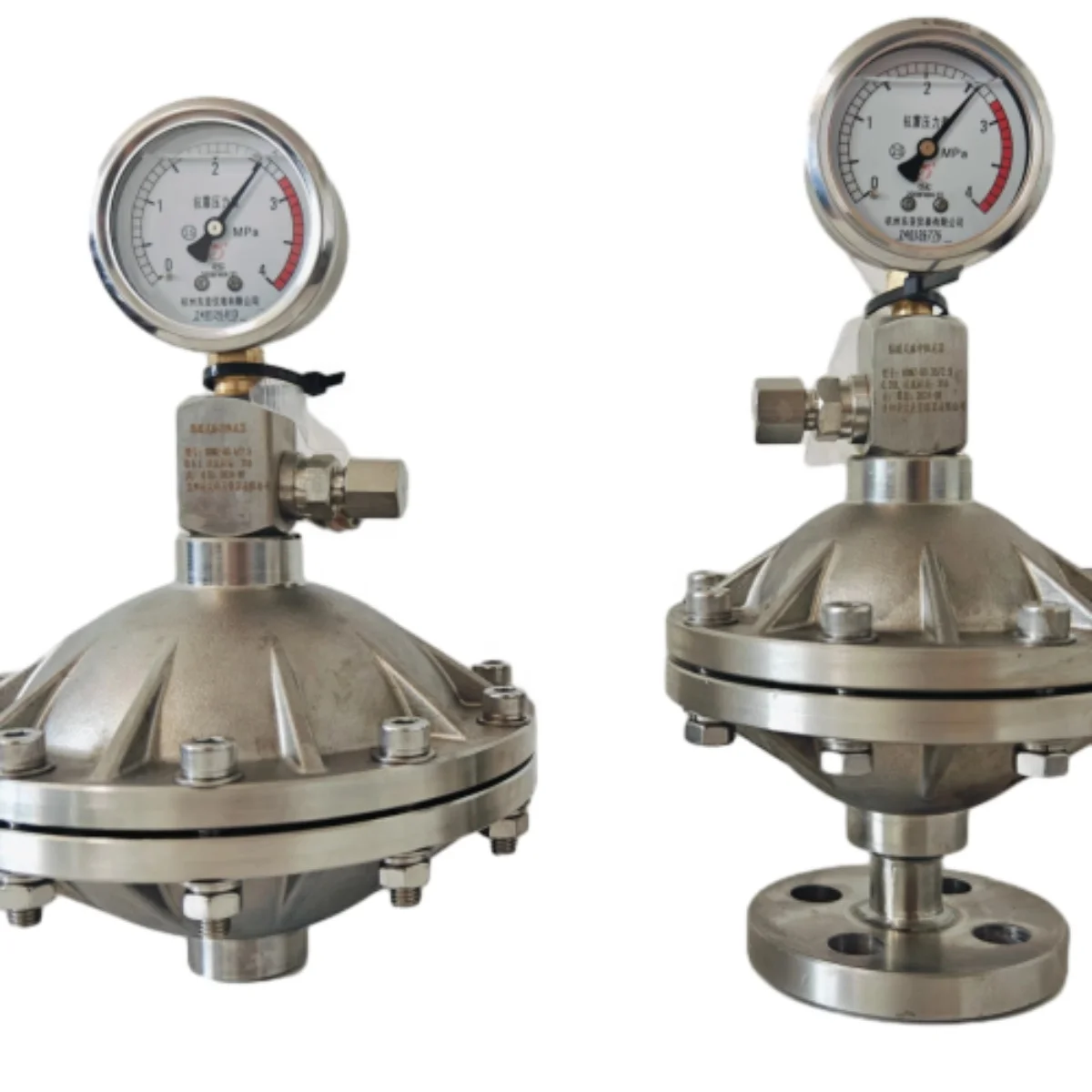
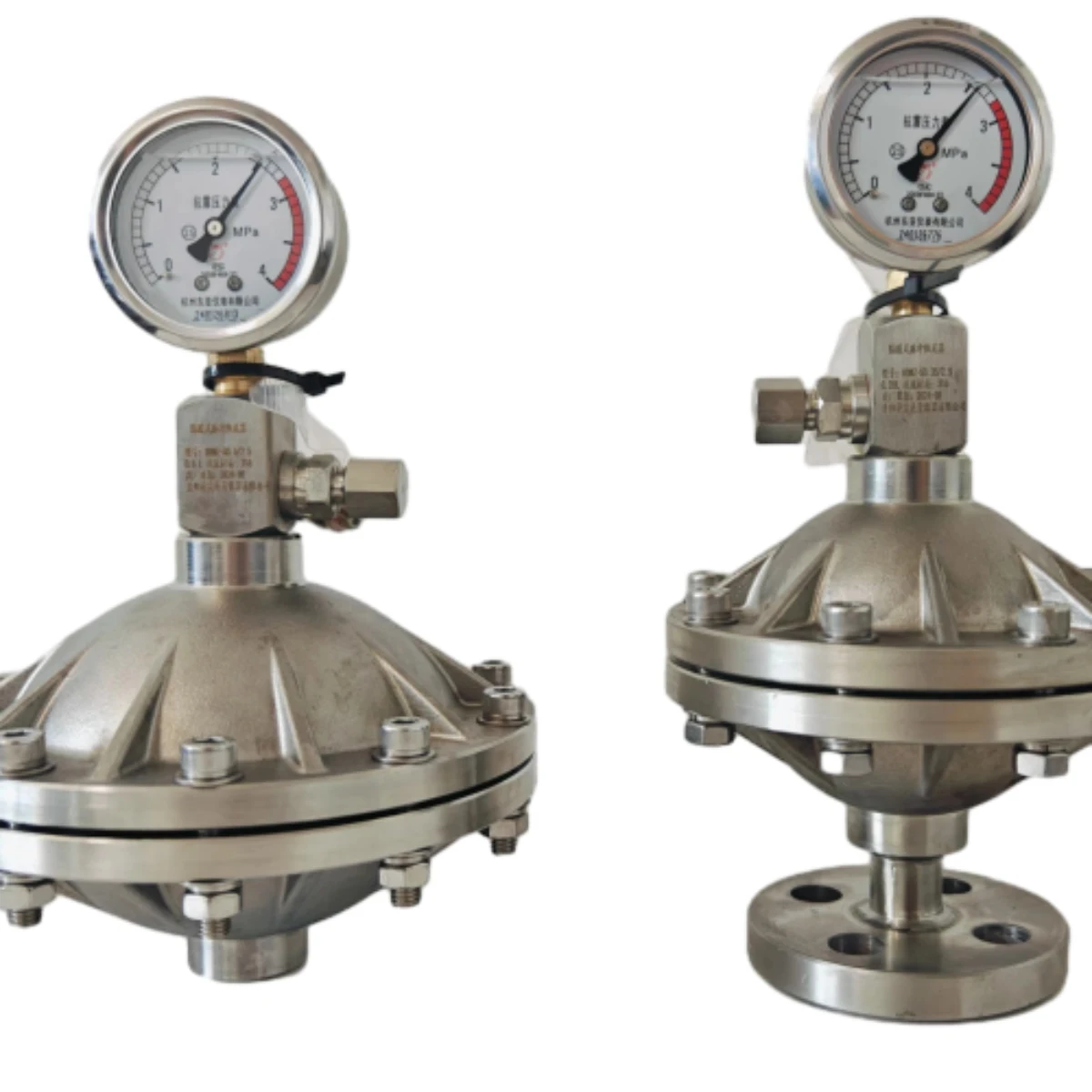
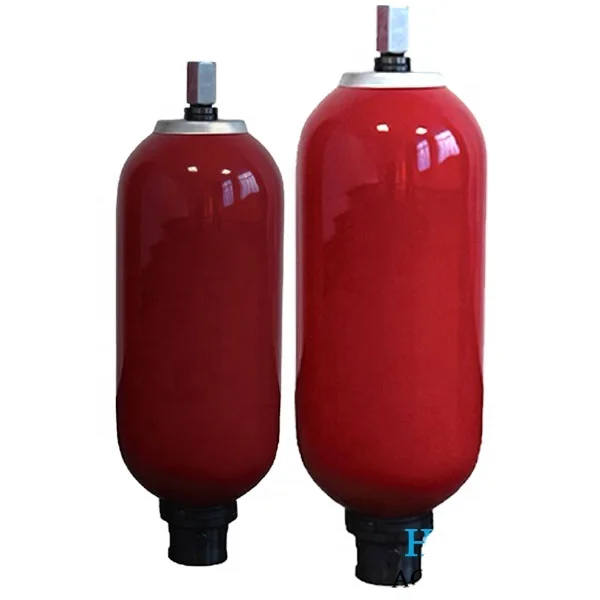
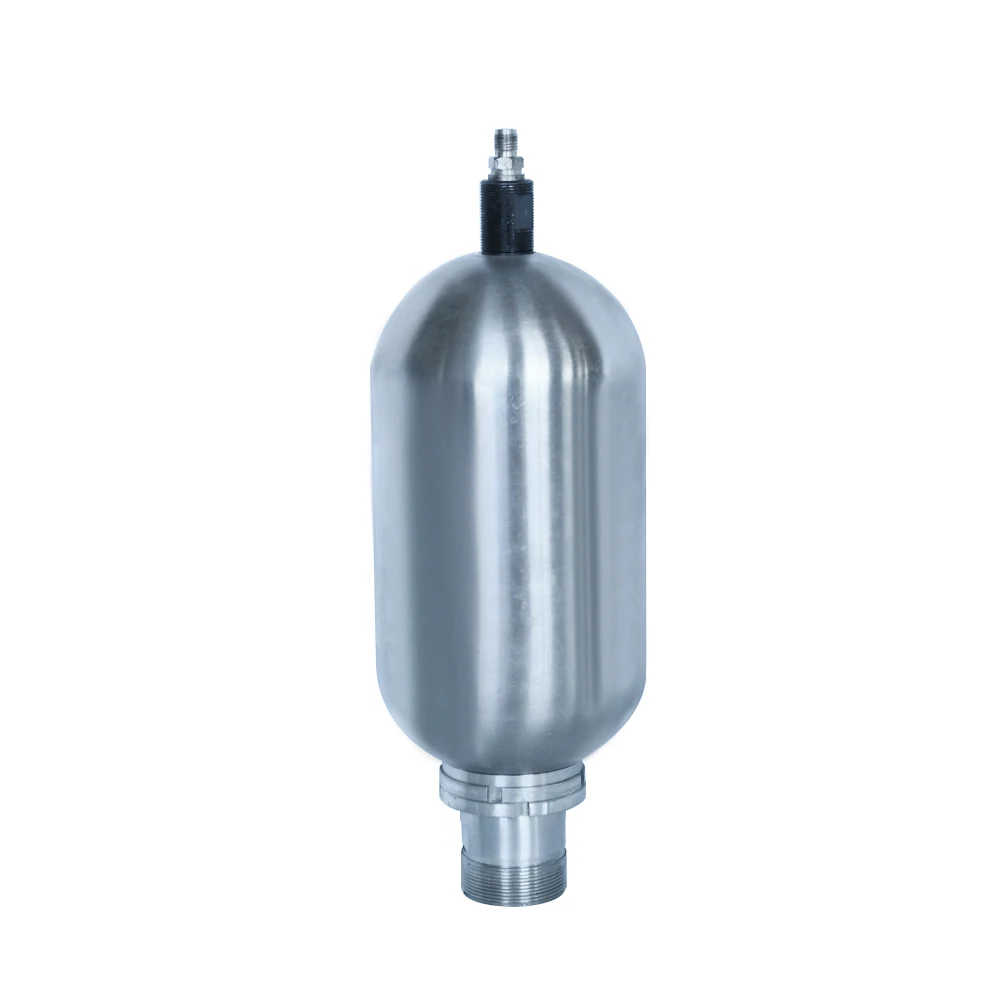
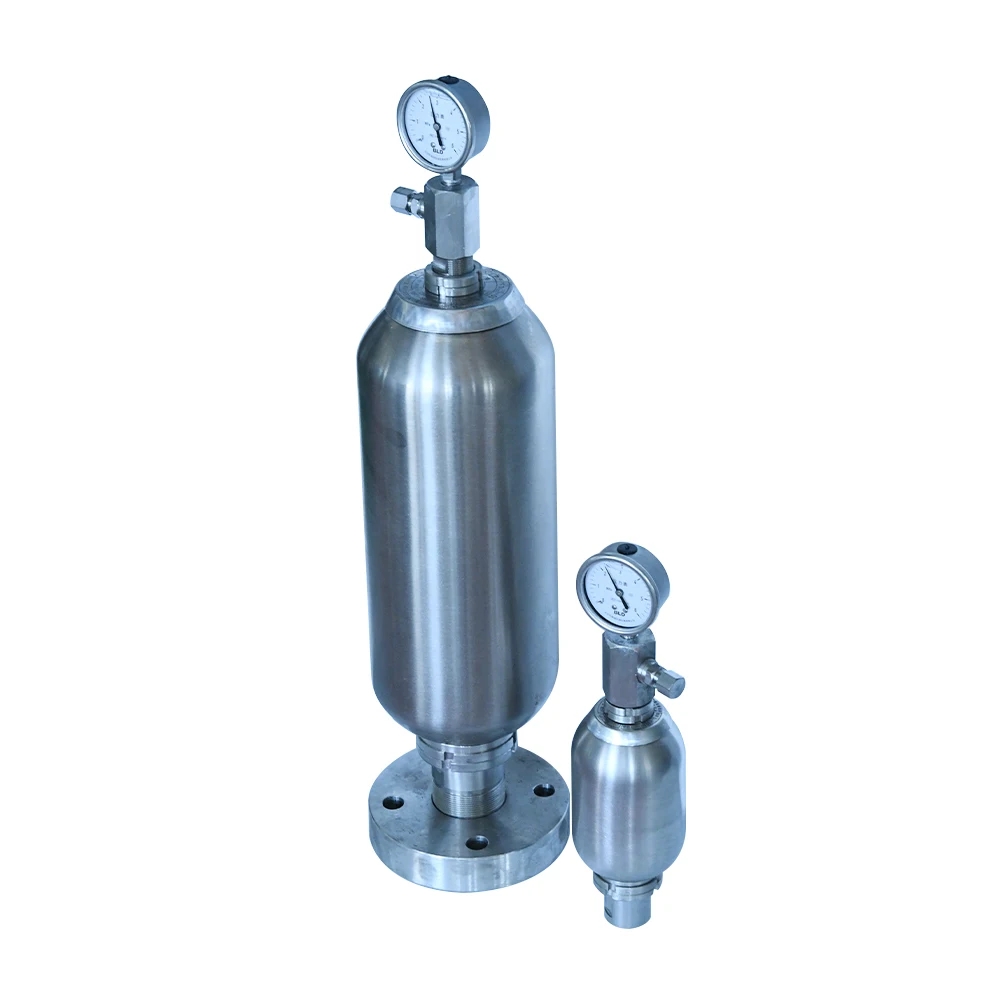
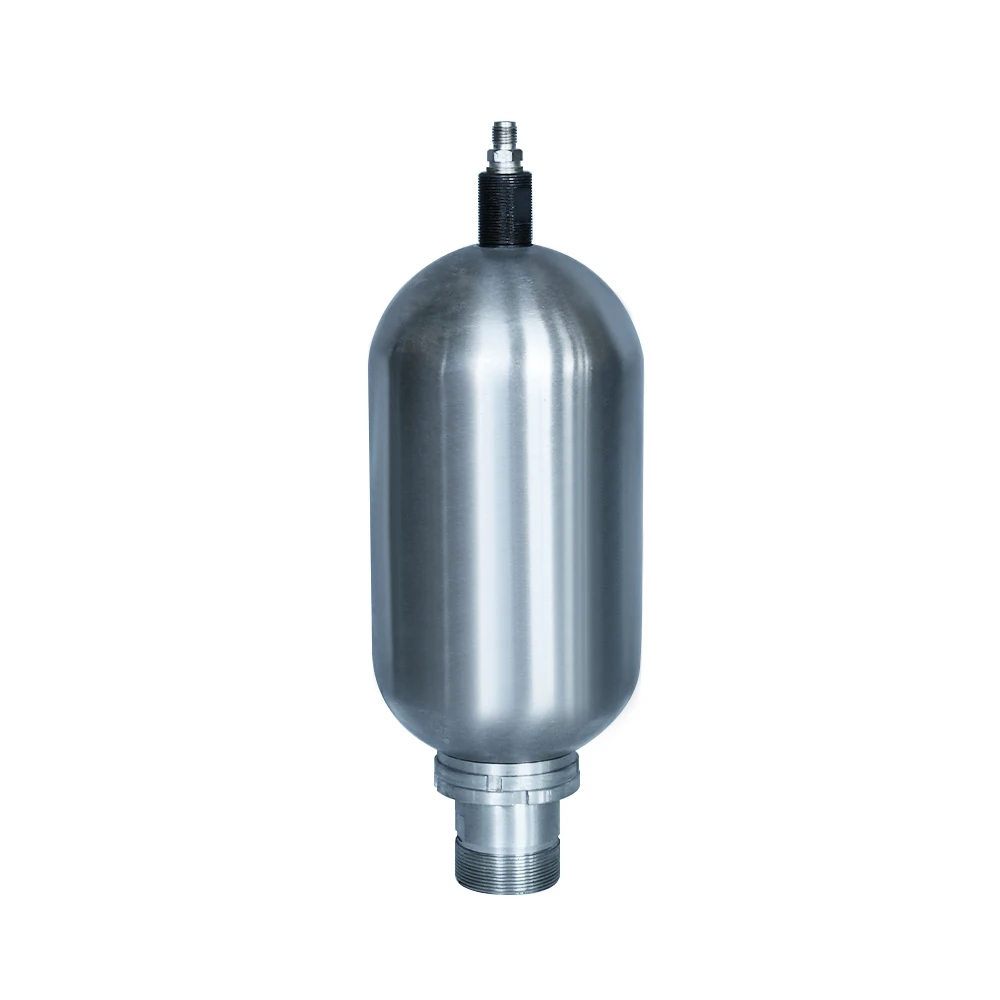
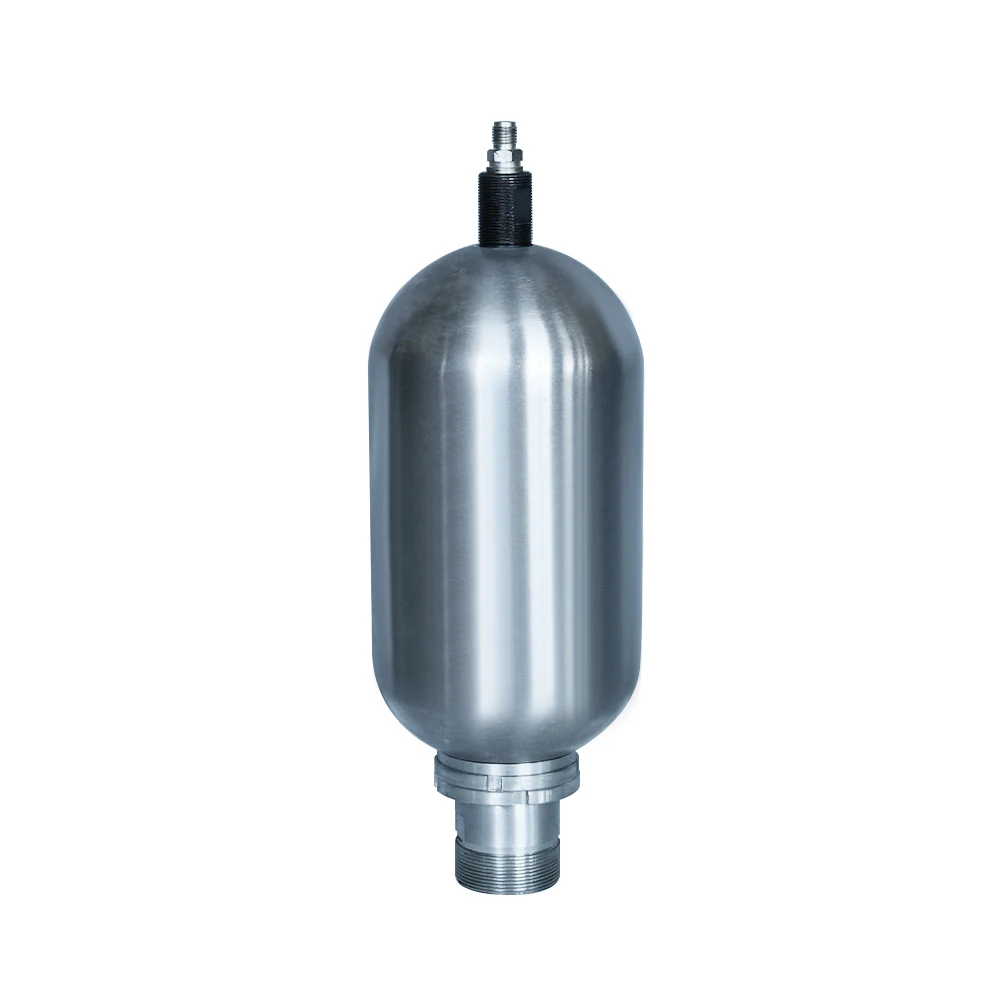
Pulsatile pumps are a type of special machine used to help push liquids from one place to another. They employ a special vibration to create a pulsing action that forces the liquid through a tube or pipe. In this post, we will find out how pulsating pumps operate and what are the advantages, how to troubleshoot the pump if something goes wrong, the types of pumps out there, and why some jobs require the presence of a pulsating pump.
It is fascinating how a pumping alternating/cycling pump functions: zyOnce inside the pump, the sickle has a piece called a diaphragm that moves it back and forth. This movement causes pressure, which in turn forces the liquid out of the pump and on its way. The pulsing action sets these pumps apart, so they work well for some applications.
A pulsating pump has a lot of good attached to it. One major benefit is that they’re capable of working with fragile liquids without damaging them. Its gentle pulsating action is ideal for transferring delicate liquids such as chemicals or food. Pulsating pumps are also well known for reliability and efficiency. They can last a long time before they break, and that means no pesky build-up of liquid.
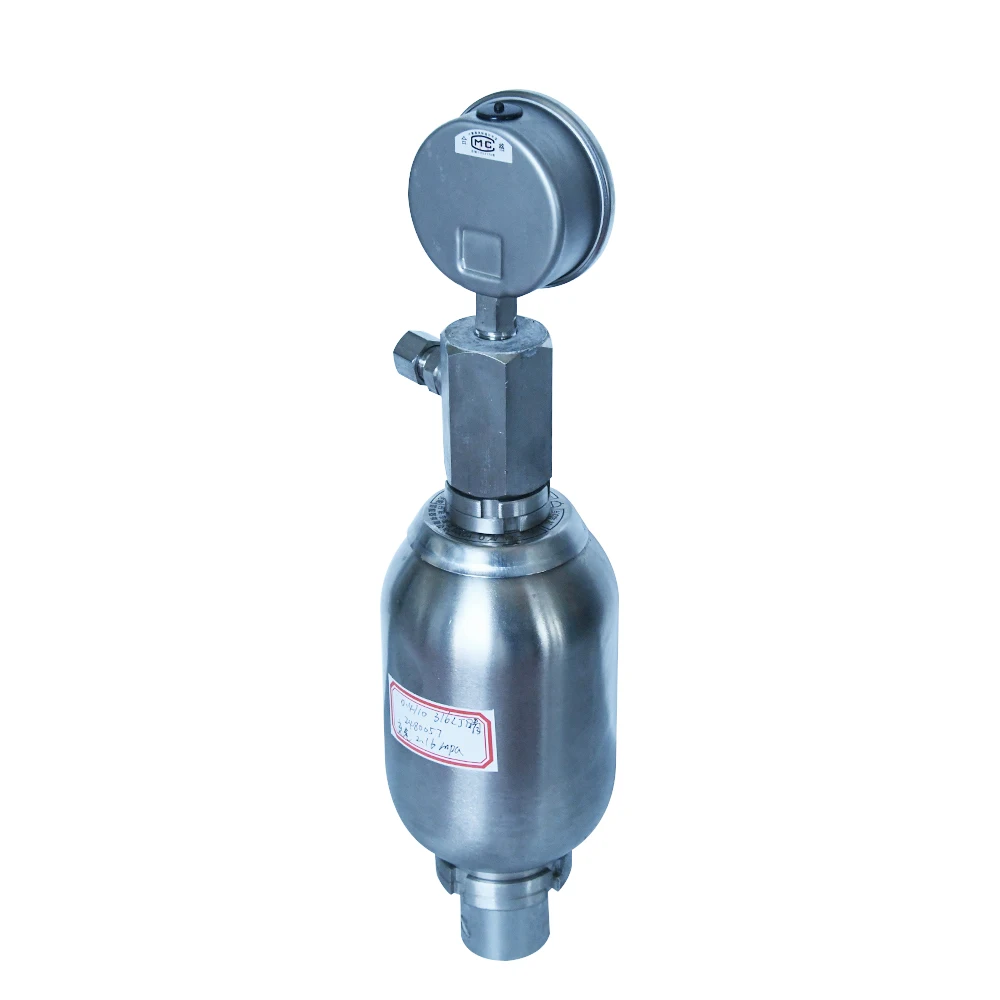
But every now and then, you’ll find pulsating pumps giving trouble. Leaks, blockages and declining pressure are typical complaints. If you notice any of these issues, there are a few simple ways to address them. Check for leaks or clogs in the pump or tubing. Make sure all the connections are there and that your pump is good to go. If you’re still having problems, you may want to consult a pro for a service call.
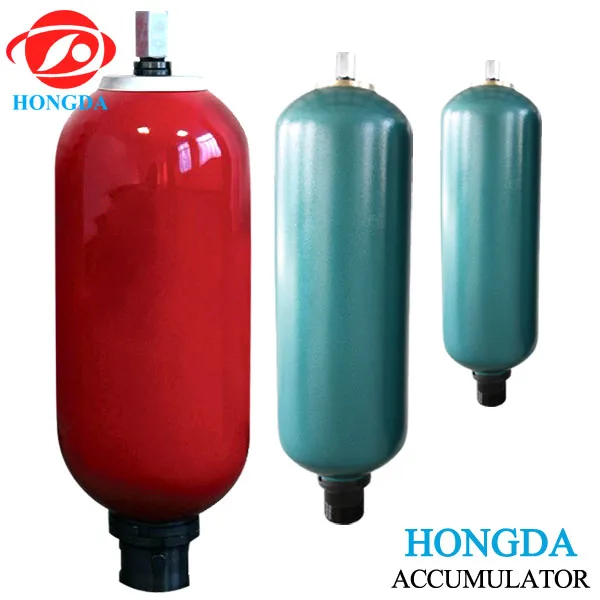
There are all kinds of pulsating pumps, and each one is made for a particular type of work. Popular styles include air-driven diaphragm pumps, positive displacement piston pumps and peristaltic pumps. Compressed air is what is used to cycle the diaphragm and cause the pulsation process with air-operated diaphragm pumps. Piston or peristaltic? Piston pumps pump the liquid by the action of a piston forcing the liquid through; peristaltic pumps use rollers to squeeze the tubing and force the liquid along.
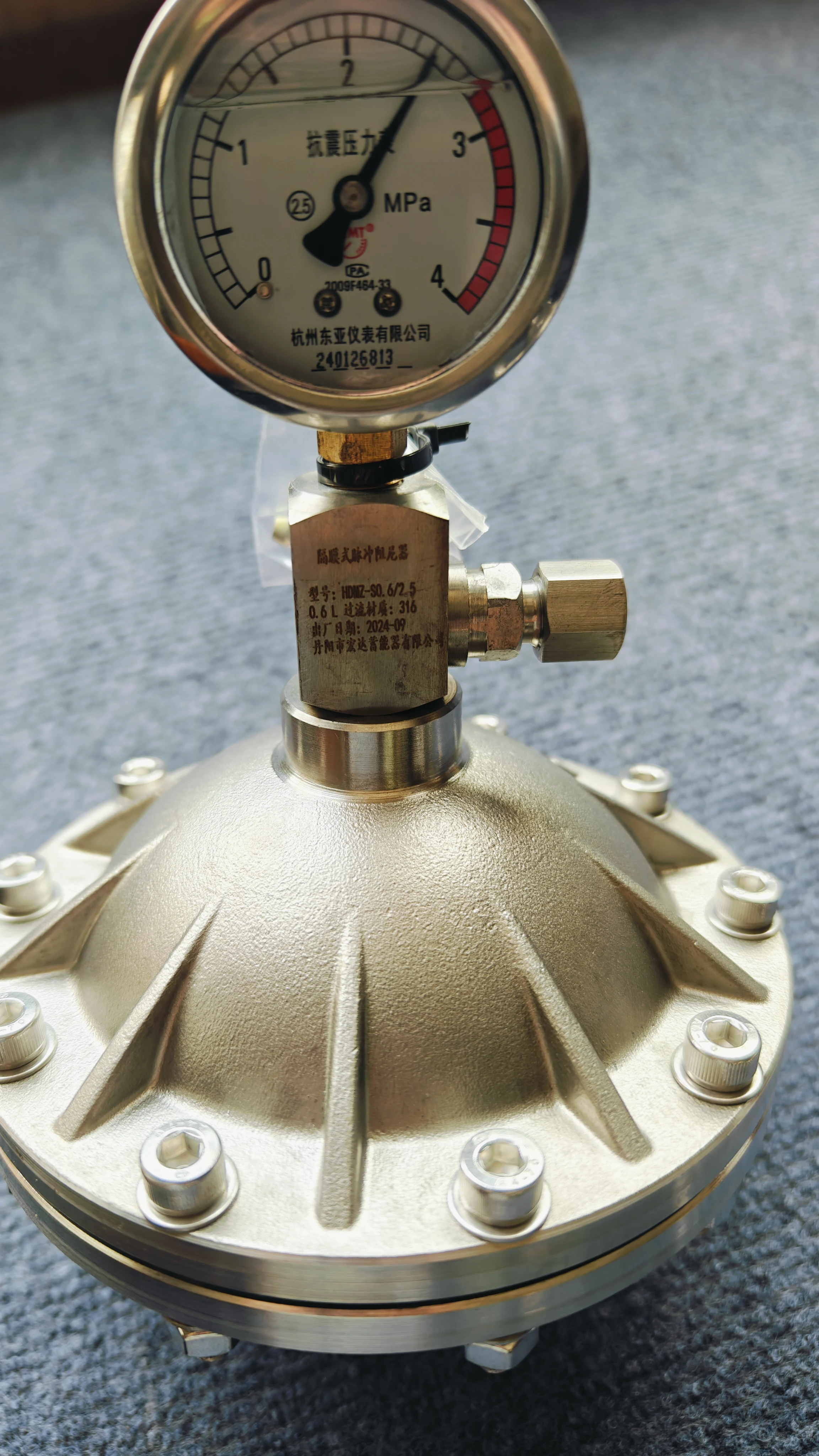
Pulsating pumps are essential in some work. For instance, they delicately handle liquids in the food and beverage industry, such as fruit juices and dairy products. They carry sensitive chemicals in the medicine business; without any issue. Pulsating pumps are also used for irrigating and fertilizing in farming. All in all, peristaltic pumps are a contributing factor in a wide range of industries that ensure those liquids keep flowing in a safe and efficient manner.
With over 30 years of experience, we specialize in designing and producing high-quality bladder and diaphragm accumulators, leveraging strong technical capabilities and well-equipped testing facilities to ensure superior performance and durability.
We offer a wide range of shell materials (including 304/316L stainless steel and duplex stainless steel) and bladder/diaphragm materials (such as NBR, FKM, EPDM), supported by a full-time R&D team that provides tailored solutions for diverse industrial applications.
Our company is certified under ISO9001 and GB/T19001 quality management systems, ensuring that all products meet rigorous international standards for reliability, safety, and customer satisfaction.
Our professional team provides end-to-end technical support—from pre-sales consultation to after-sales service—including customized engineering solutions, nitrogen charging equipment, and responsive maintenance support to ensure optimal system performance.
 EN
EN