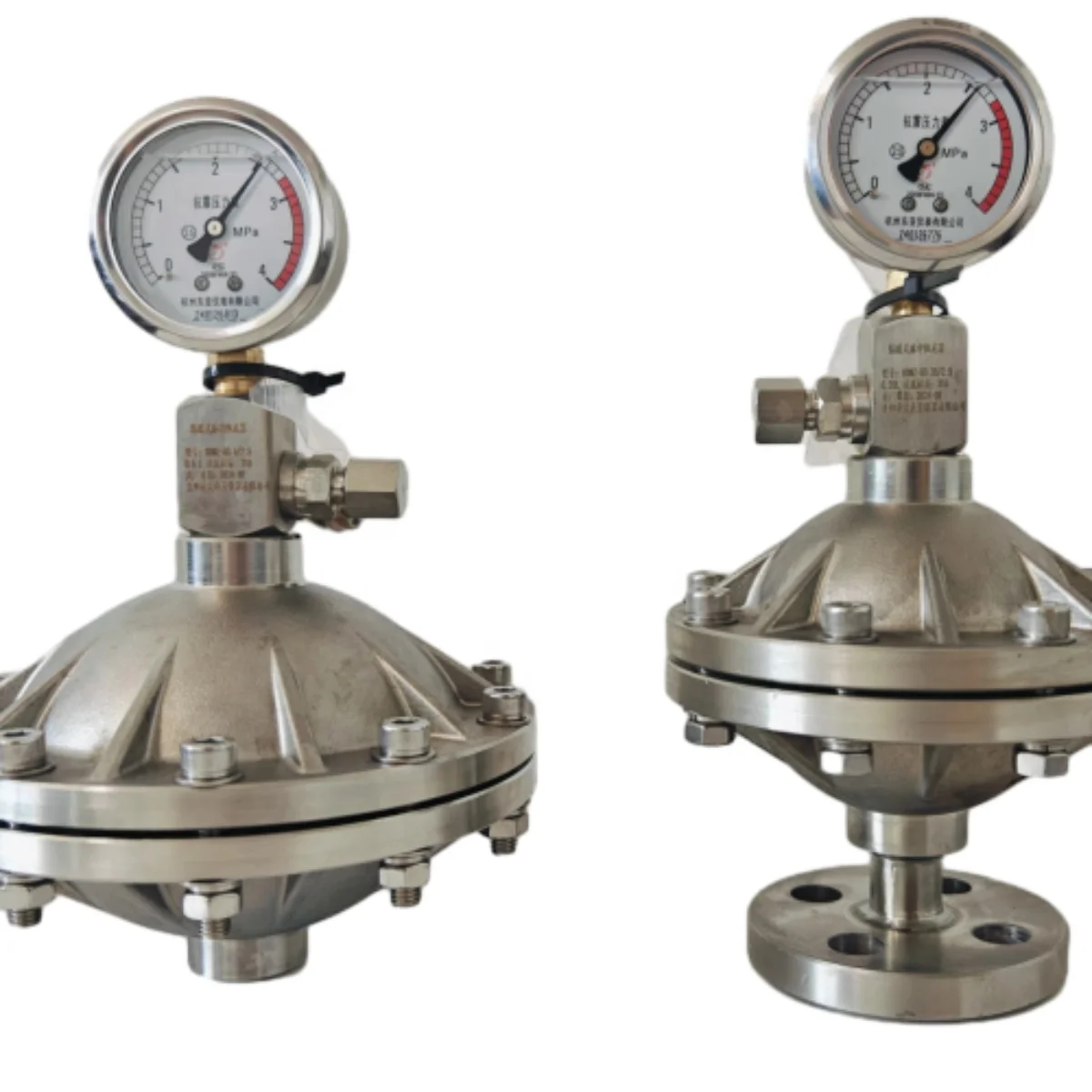
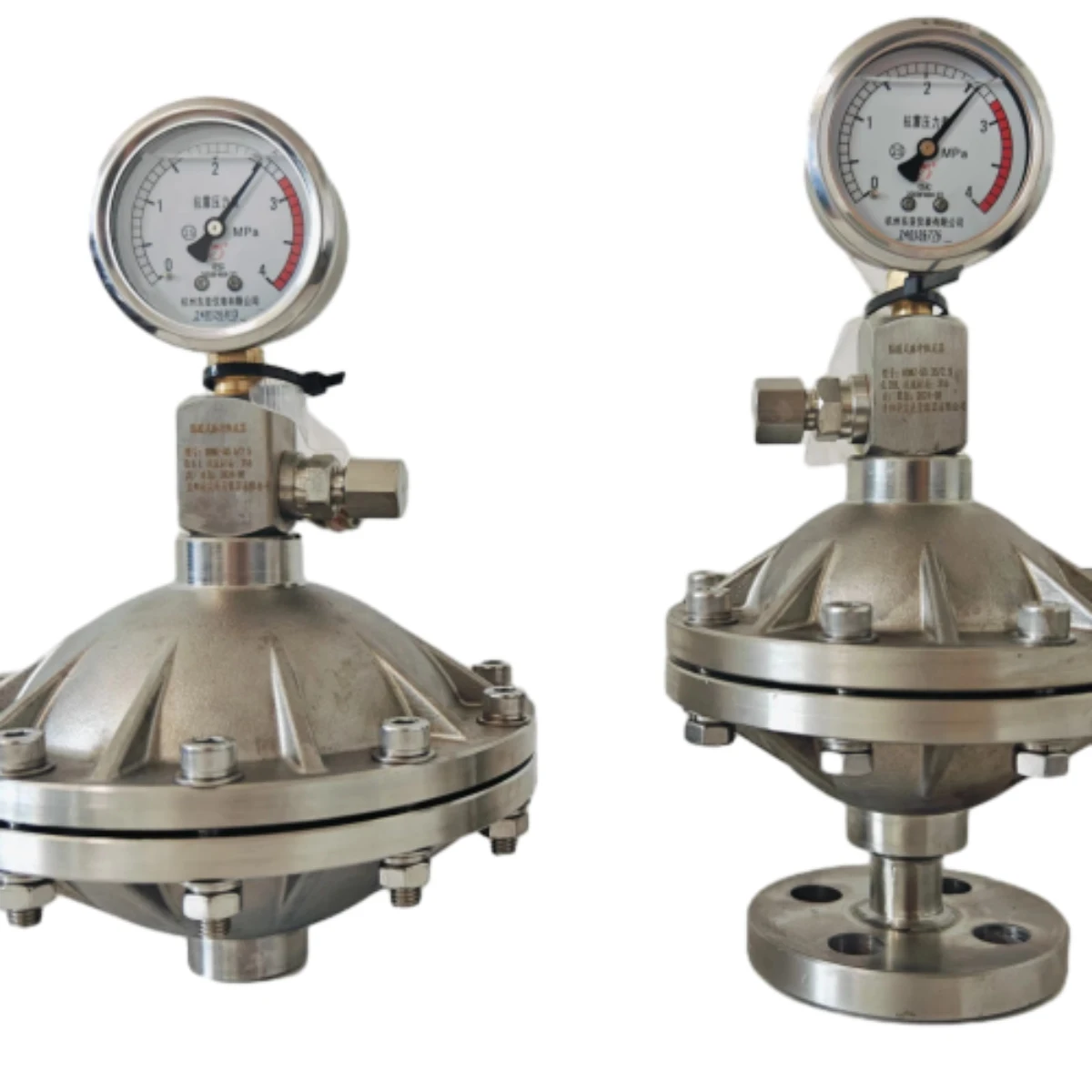
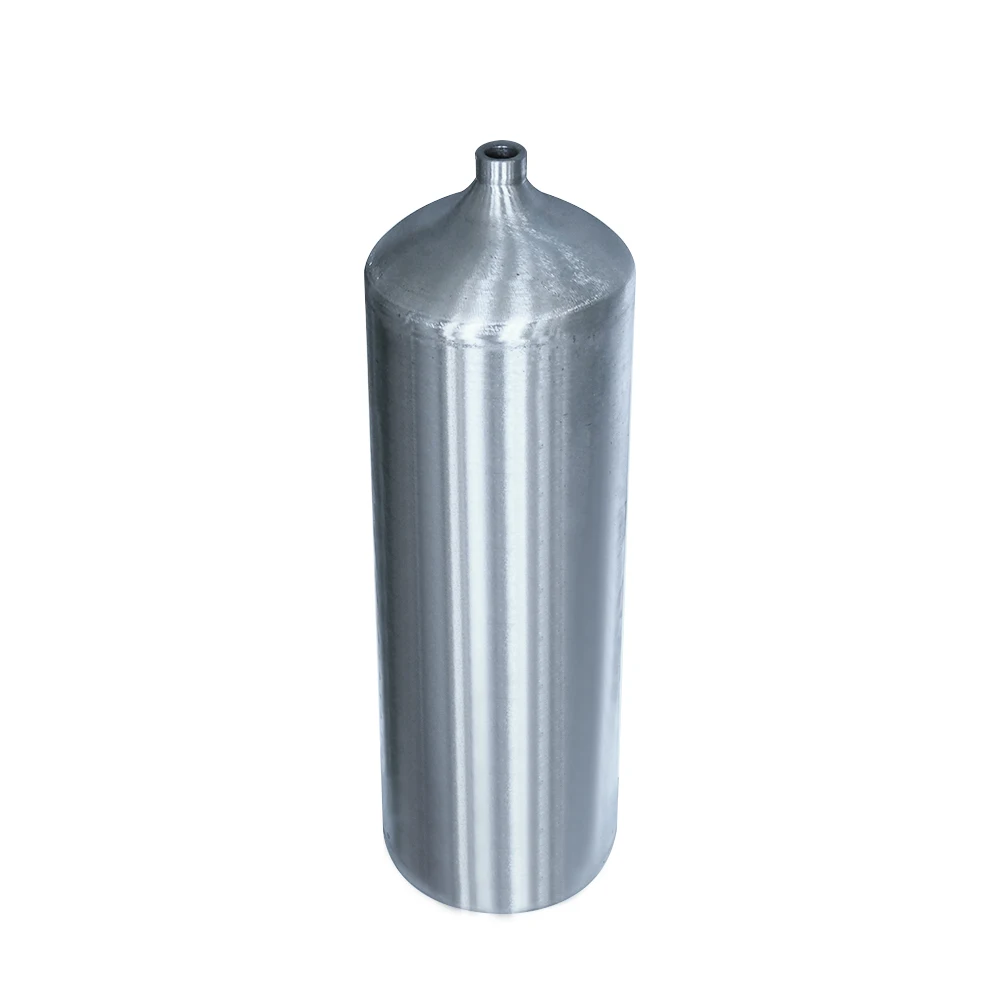
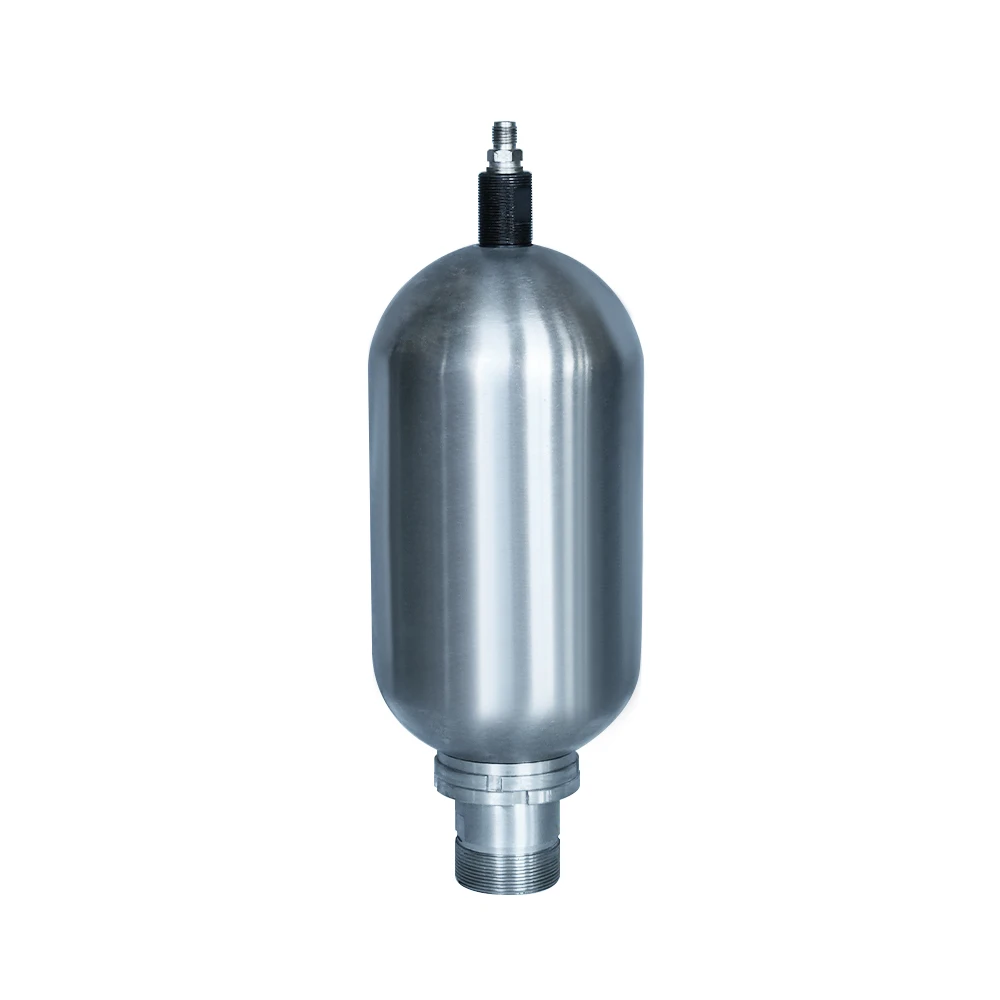
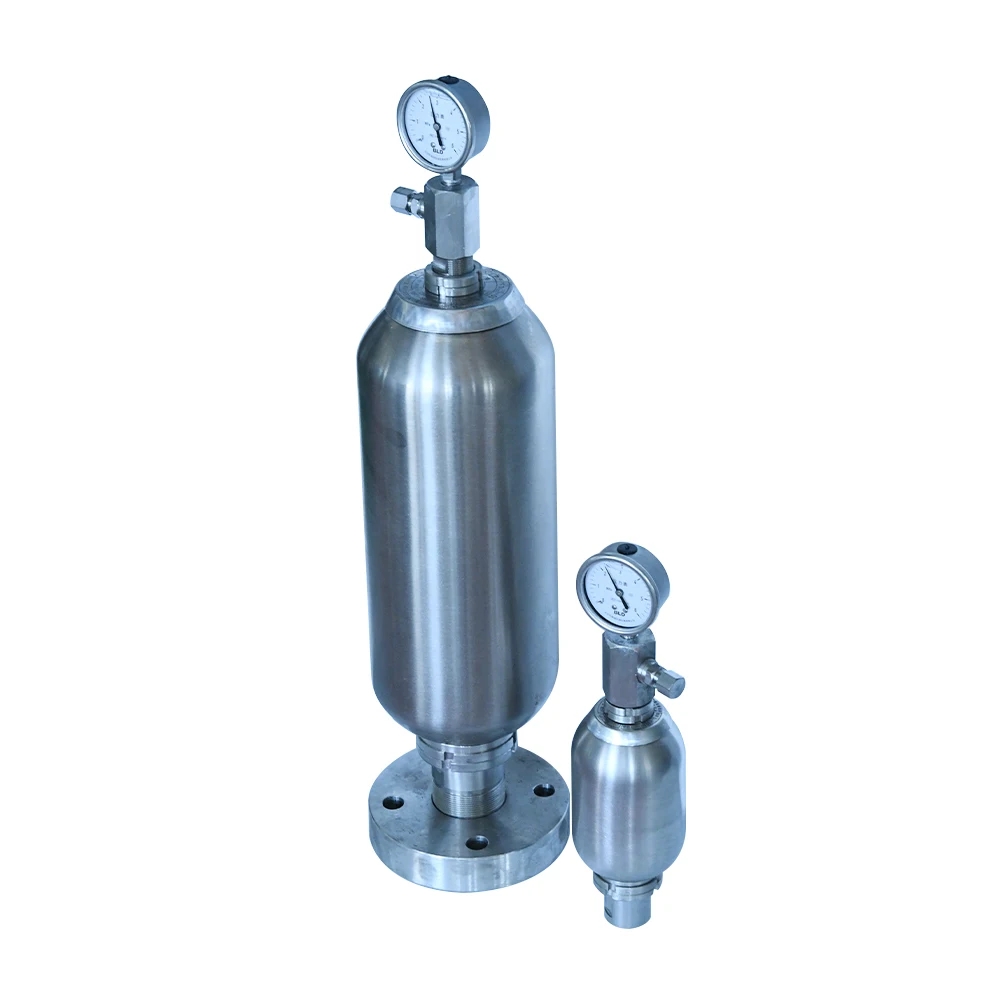
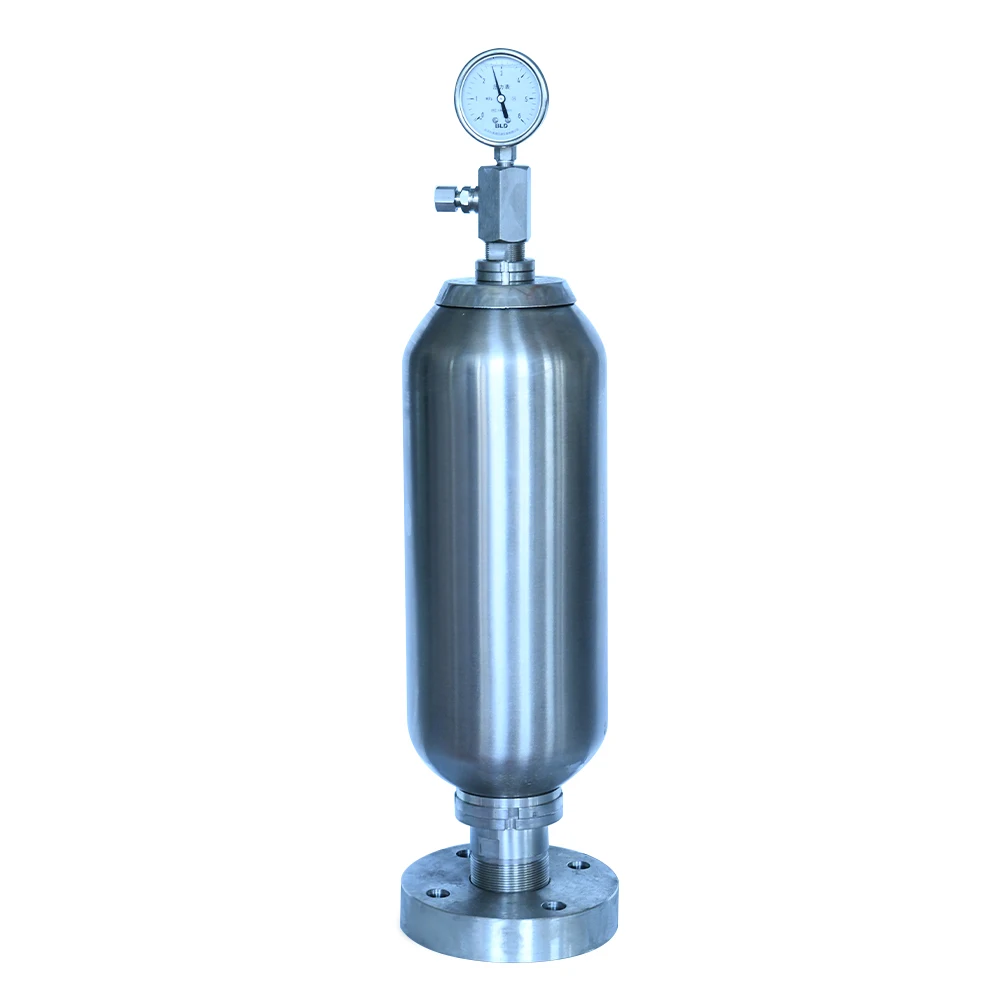
A gas-charged accumulator saves energy as compressed gas is added to the accumulator. In hydraulic systems, it is also utilized to aid control of the pressure and to absorb shock. The accumulator has a gas filled cylinder and a piston that maintains a separation between the gas and the hydraulic fluid. When the hydraulic system demands a blast of pressure, the gas in the accumulator compresses, absorbing the extra spike of energy and helping stabilize the pressure.
There are a lot of advantages of gas charged accumulator in hydraulics. One major advantage is that it can help to dampen variation in pressure. This can help prevent further damage to the system and make everything function better. In addition, gas-charged accumulators can be used to help hydraulic systems consume less energy and respond more quickly. They are typically simple to install and maintain, which makes them a good choice for many applications.
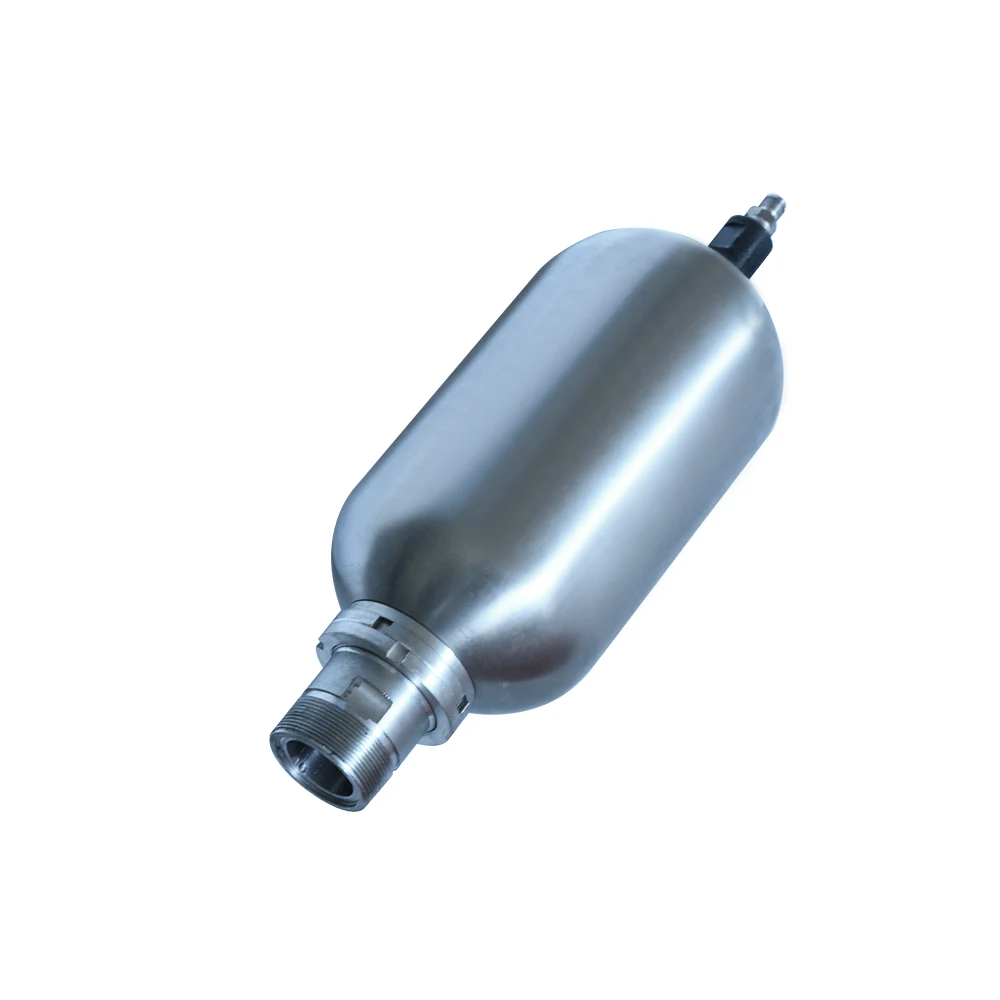
For a gas charged accumulator to work fine, it deserves to be cared for. Checking the gas pressure of the accumulator regularly is one of the available valuable measures, refill it if necessary. Also be on the lookout for damage, such as leaks or rust, and replace any damaged parts immediately. Problems can be avoided if you follow the manufacturer’s maintenance instructions.

There are various types of gas charged accumulators, and each type has unique characteristics and advantages. Diaphragm types have a flexible portion that separates the gas charge from the hydraulic fluid. The bladder accumulator uses a flexible bag, whereas the piston accumulator uses a piston to separate the gas and fluid. Each kind has its trade-offs, so it’s worth choosing the one that works for you.
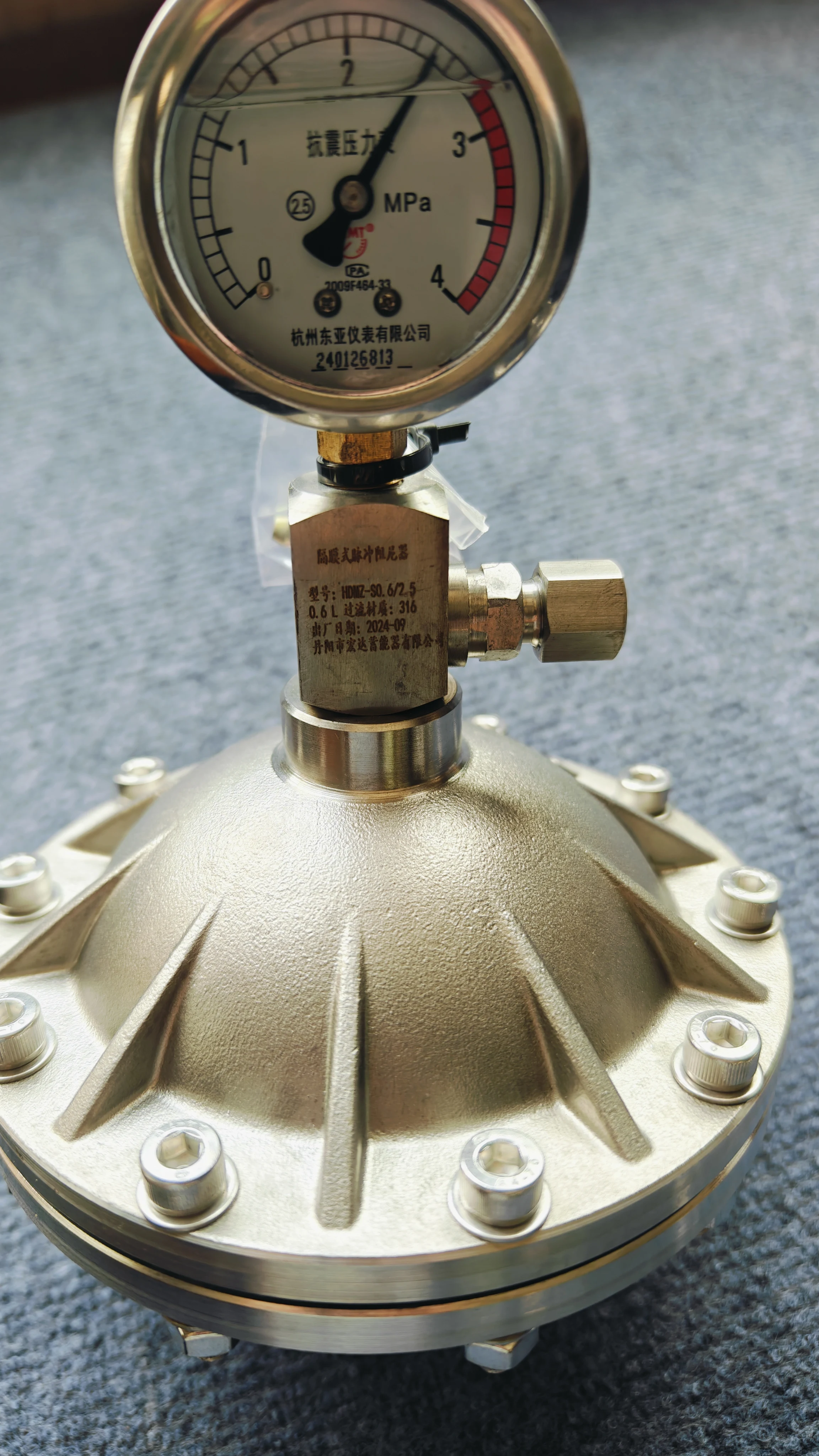
It is very important to install a gas charged accumulator and to use it properly for safe and efficient operation. Be sure to always follow the manufacturer’s instructions when you set it up the first time, which will include how to install it and attach it to the hydraulic system. Inspect the wear or damage of the accumulator frequently, and repair any issue in time. It is also crucial to use the accumulator correctly to avoid accidents or damage.
Our company is certified under ISO9001 and GB/T19001 quality management systems, ensuring that all products meet rigorous international standards for reliability, safety, and customer satisfaction.
We offer a wide range of shell materials (including 304/316L stainless steel and duplex stainless steel) and bladder/diaphragm materials (such as NBR, FKM, EPDM), supported by a full-time R&D team that provides tailored solutions for diverse industrial applications.
Our professional team provides end-to-end technical support—from pre-sales consultation to after-sales service—including customized engineering solutions, nitrogen charging equipment, and responsive maintenance support to ensure optimal system performance.
With over 30 years of experience, we specialize in designing and producing high-quality bladder and diaphragm accumulators, leveraging strong technical capabilities and well-equipped testing facilities to ensure superior performance and durability.
 EN
EN