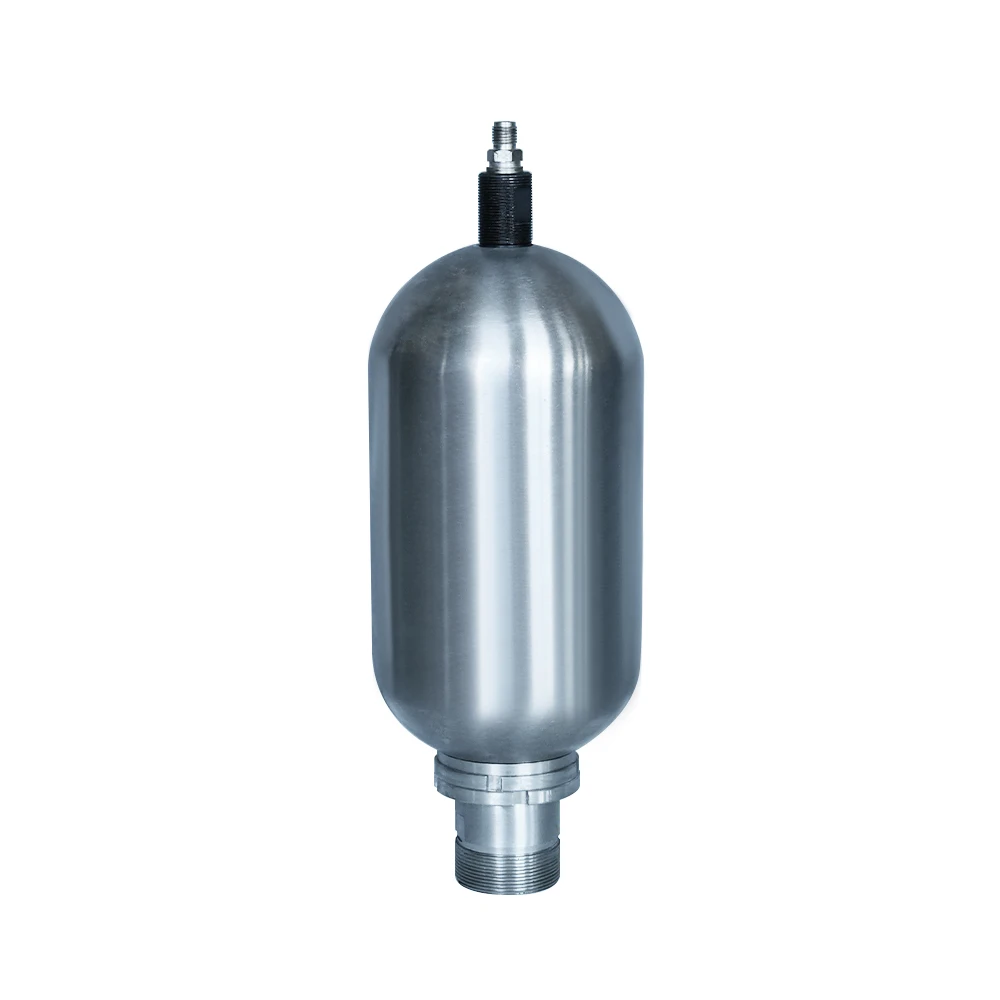
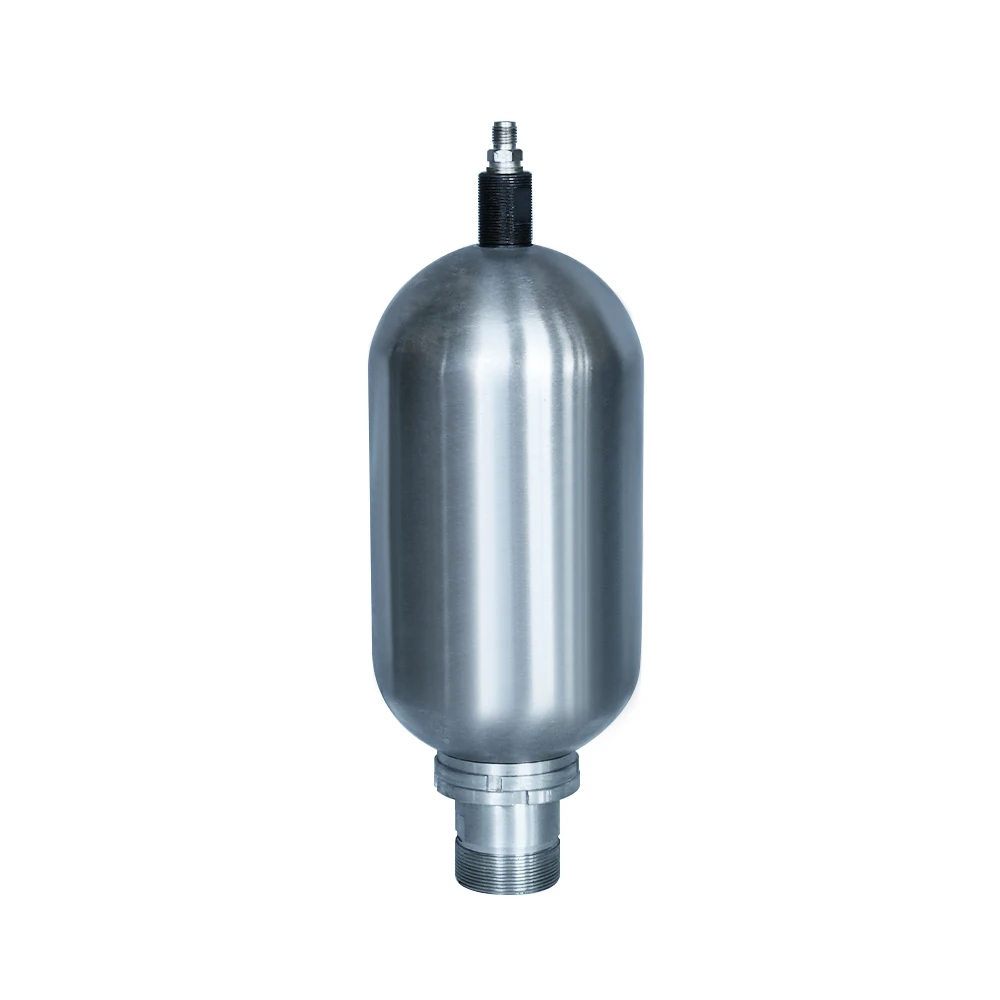
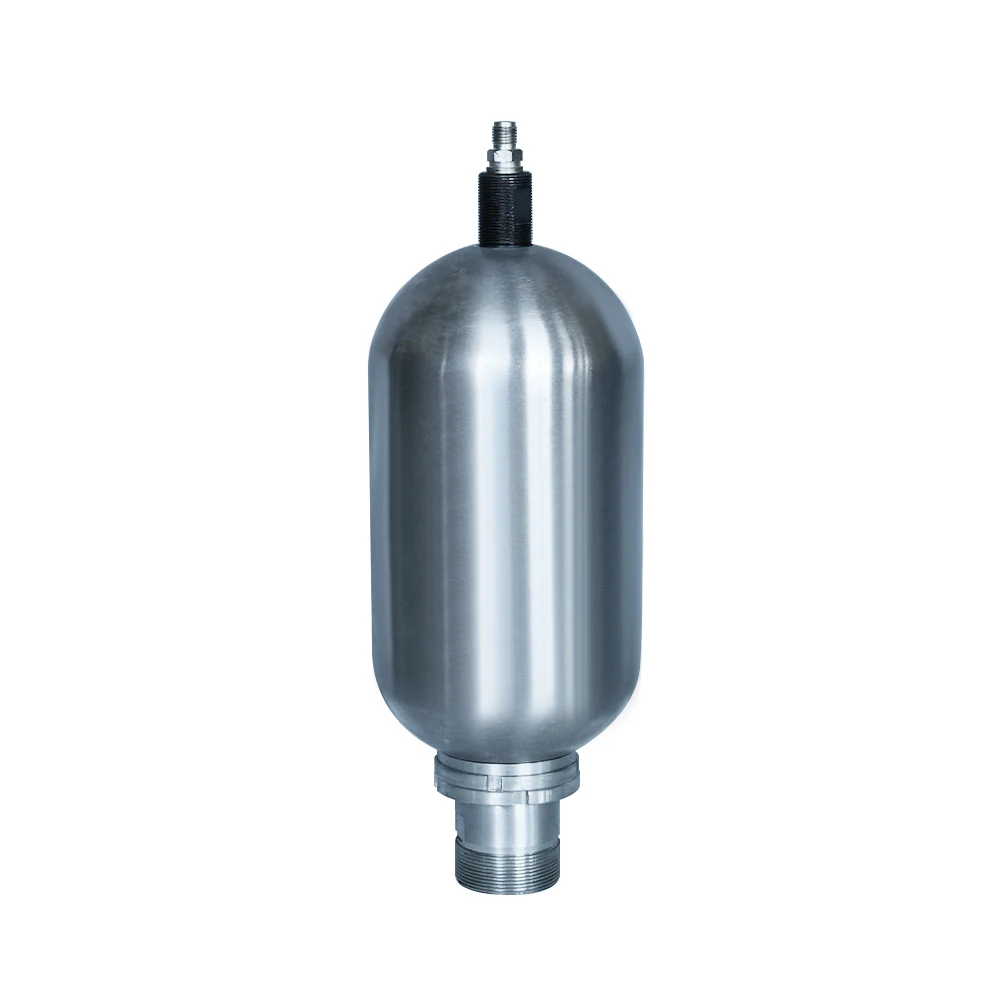
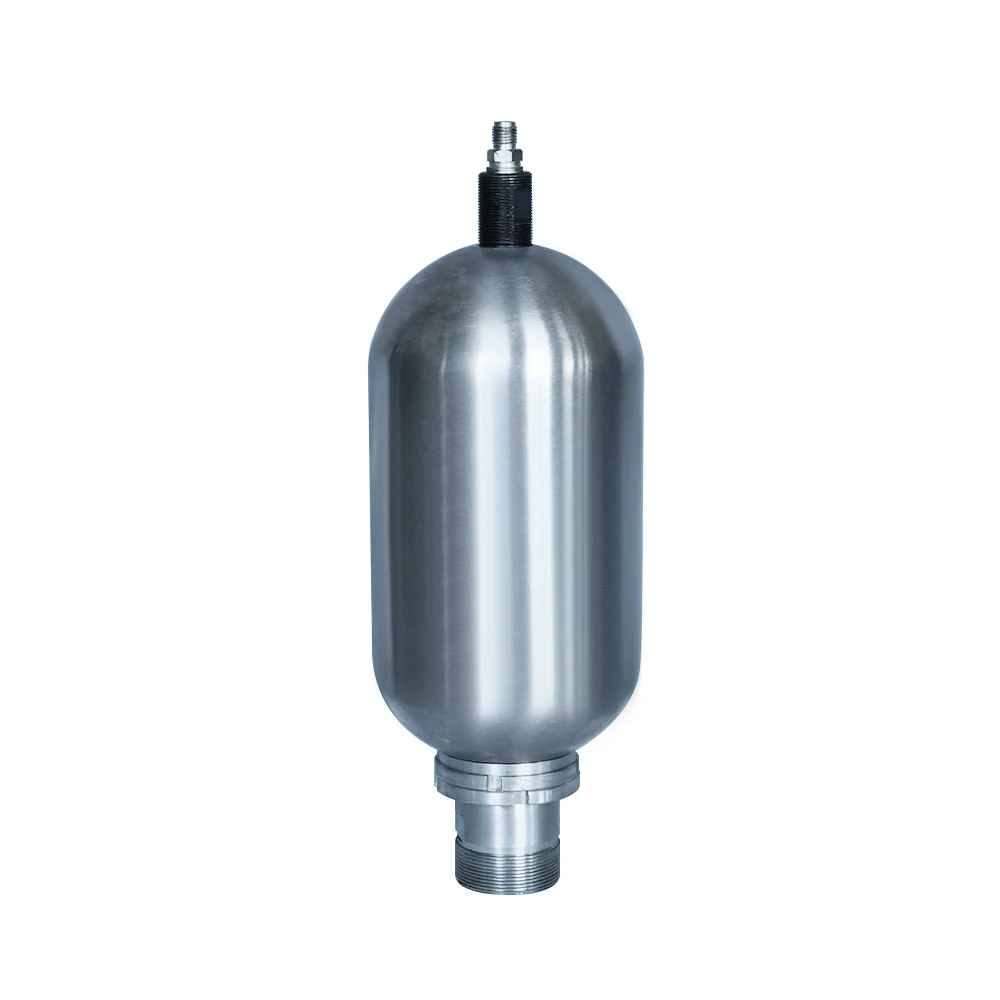
We have so many machines we use every day to assist us in tasks. An “accumulator” is one important component of these machines. An accumulator works as a temporary store of pressure, like a balloon stores air. The pressure often gets to be low on these accumulators What is low pressure?
Accumulator low pressure can occur for several reasons. A leak is one of the common causes. When it’s all working as it should, you continue to pump your brake pedal until pressure drains from the accumulator. A possible other cause is that the accumulator is not receiving sufficient pressure at the outset. We need to understand why it’s low so we can fix it.
Testing Pressure Testing the pressure of an accumulator is very important to ensure it operates as it should. Just as we check to see if there is air in our bike tire so we don’t get a flat tire, checking the pressure for an hyd accumulator makes sure it’s ready to work well. Low pressure can cause the machine to which it is connected to not work the way it ought to, and it can be a big issue.
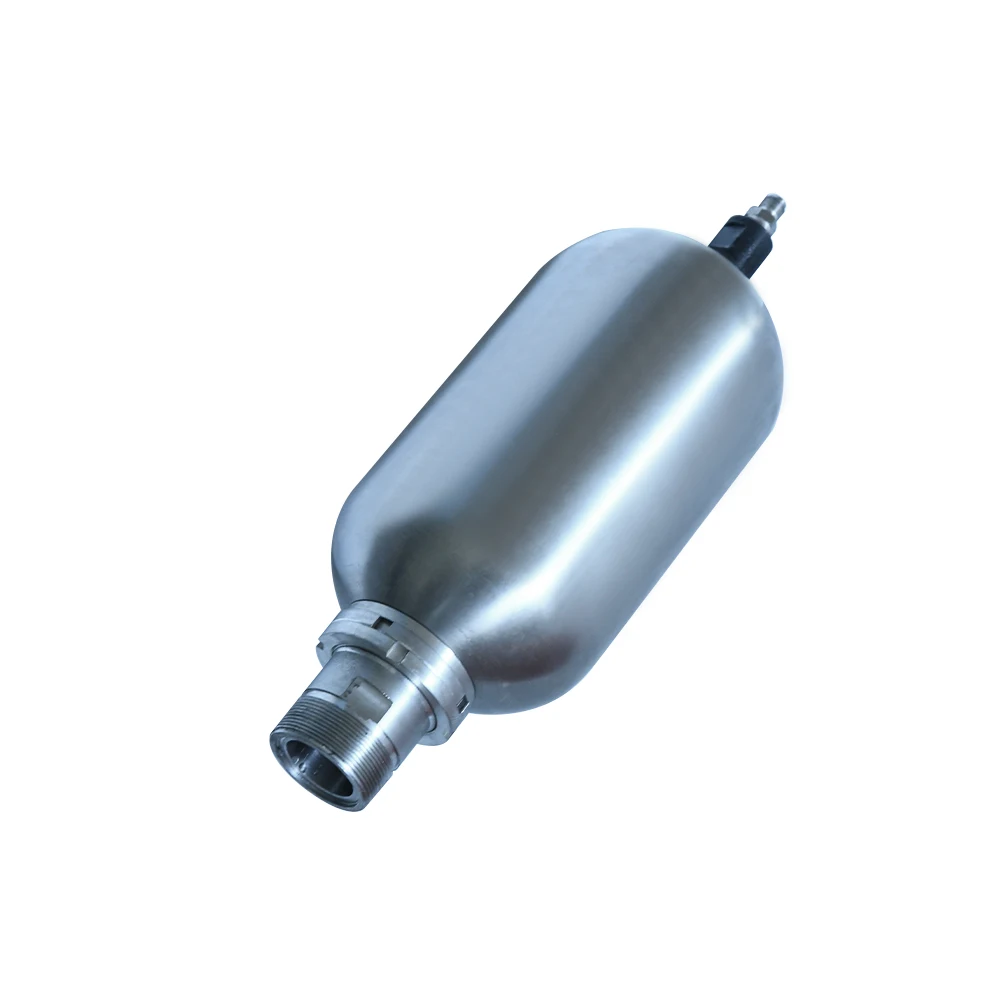
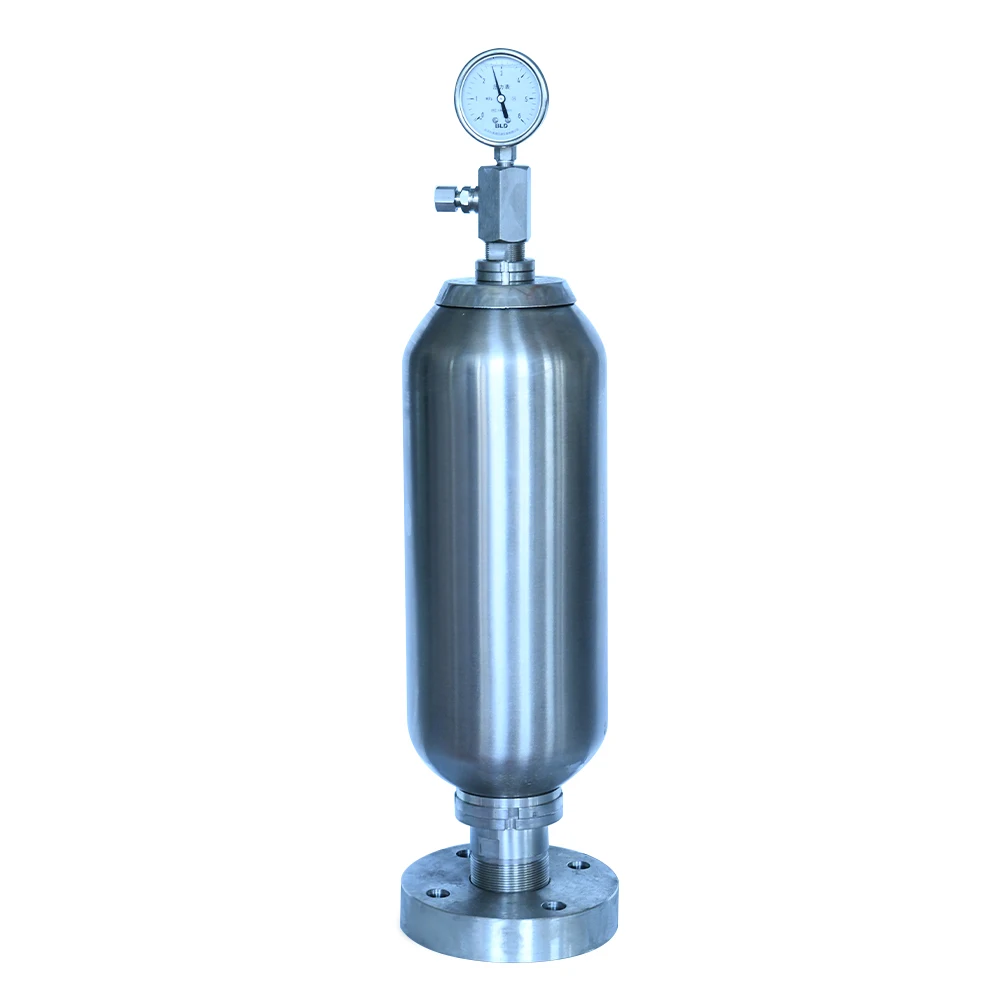
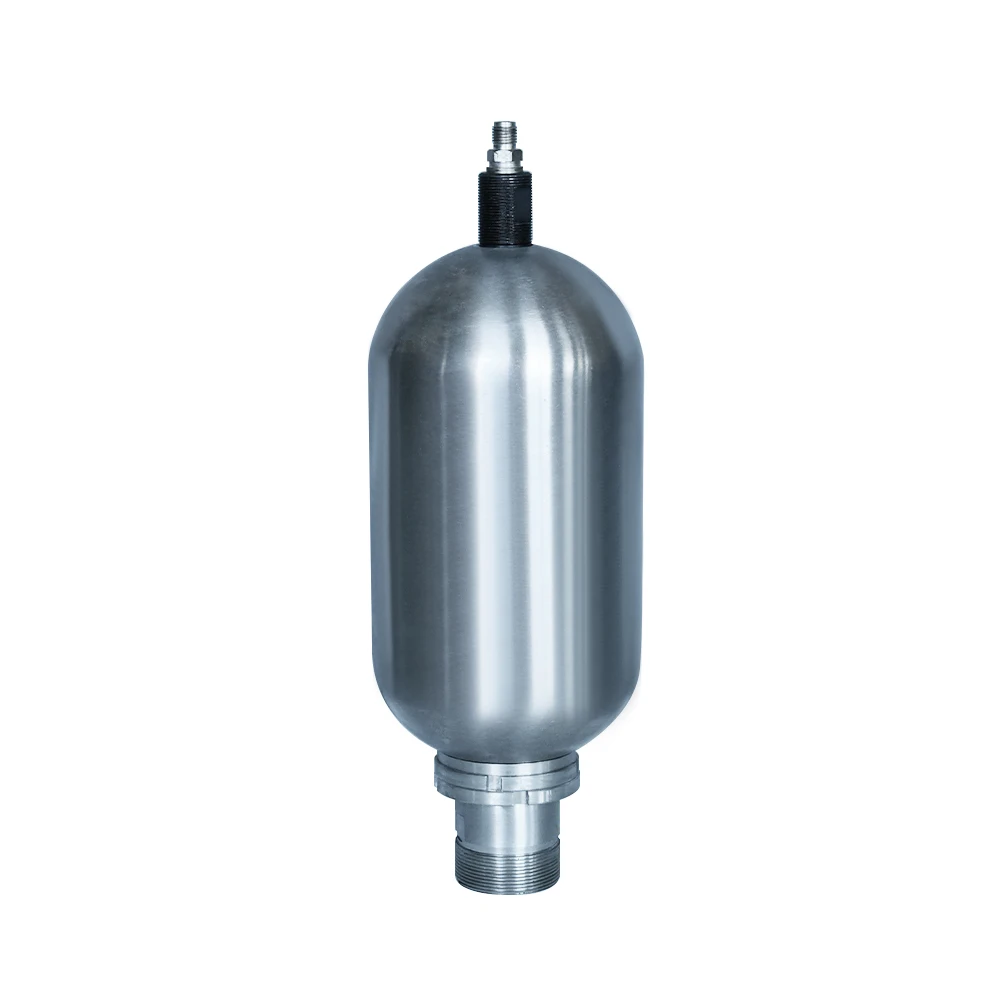
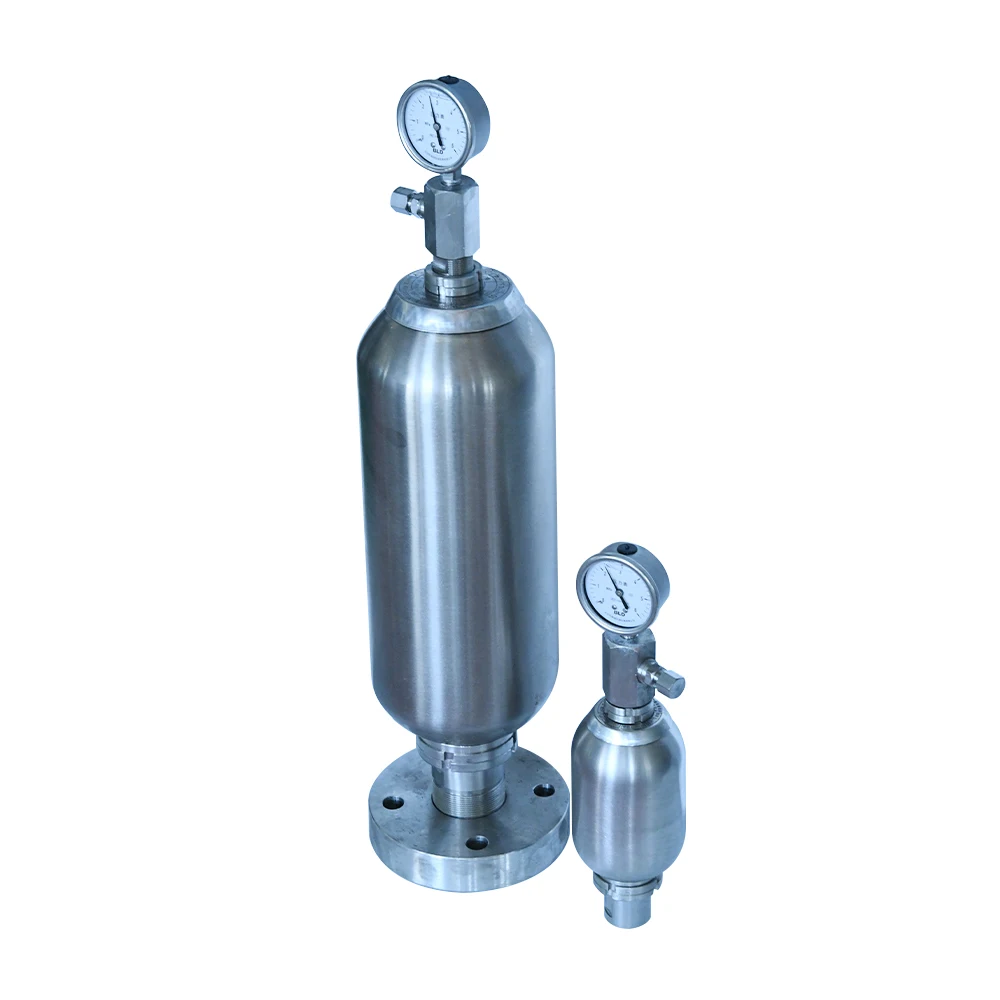
If an accumulator is low on pressure, we need to diagnose the problem. One way to achieve this is to poke holes in the system. Should we discover a leak, it must be repaired to prevent pressure from falling off. Another method is to see if it is getting sufficient pressure in the accumulator. We must discern the cause of the low pressure, and we can fix the HONGDA accumulator for hydraulic system and make it operate once more.
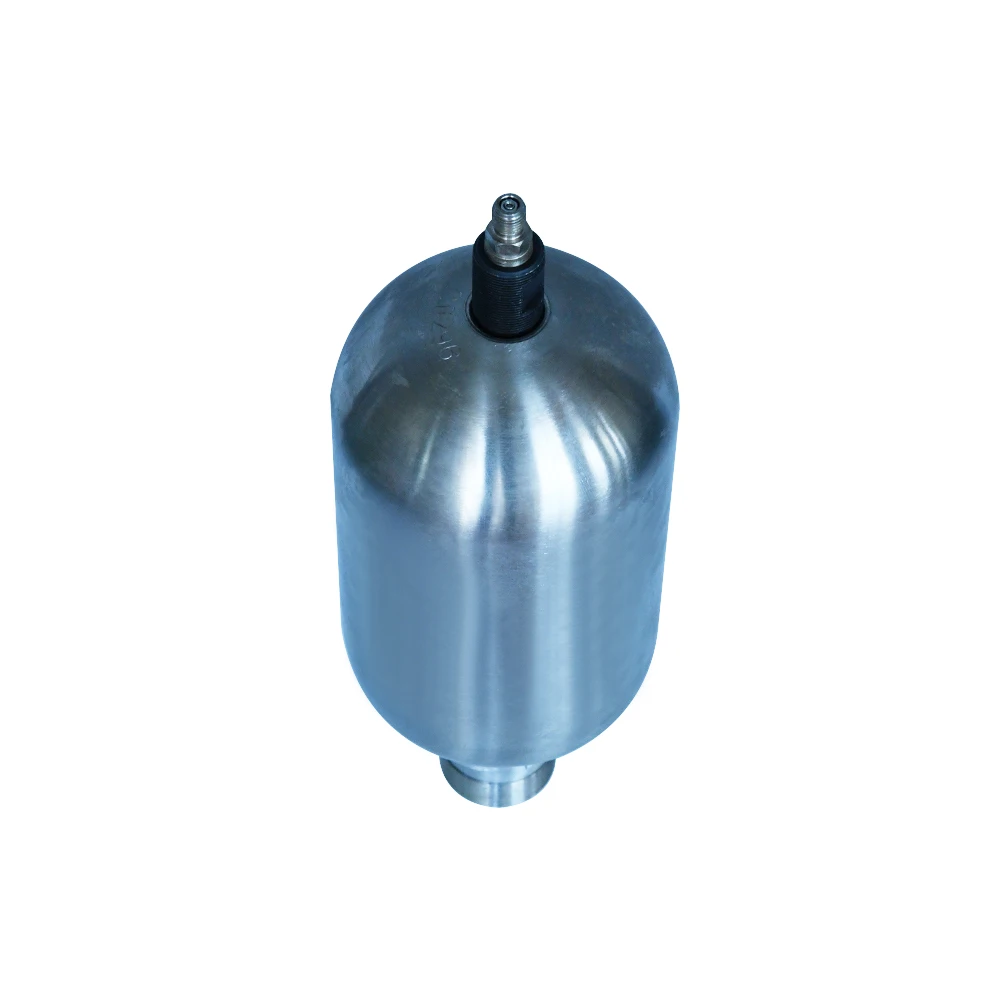
Regular monitoring is necessary to maintain the correct pressure in accumulator systems. That’s finding leaks and fixing them — fast. It also involves making certain the accumulator is receiving adequate pressure. The HONGDA diaphragm accumulator can continue to function properly by continuing these checks.
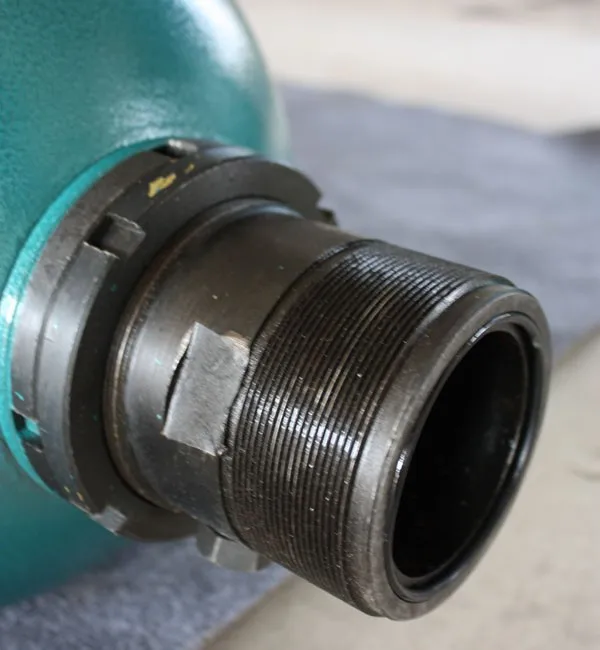
Safety is very critical, especially since the accumulator has relatively low pressure. Low pressure can cause the tool not to work, and that can be hazardous. The only way to keep things safe are to promptly address any low pressure problems and to take care of the accumulator. Safety precautions should always be observed when working with HONGDA accumulators to prevent accidents.
We offer a wide range of shell materials (including 304/316L stainless steel and duplex stainless steel) and bladder/diaphragm materials (such as NBR, FKM, EPDM), supported by a full-time R&D team that provides tailored solutions for diverse industrial applications.
Our company is certified under ISO9001 and GB/T19001 quality management systems, ensuring that all products meet rigorous international standards for reliability, safety, and customer satisfaction.
With over 30 years of experience, we specialize in designing and producing high-quality bladder and diaphragm accumulators, leveraging strong technical capabilities and well-equipped testing facilities to ensure superior performance and durability.
Our professional team provides end-to-end technical support—from pre-sales consultation to after-sales service—including customized engineering solutions, nitrogen charging equipment, and responsive maintenance support to ensure optimal system performance.
 EN
EN