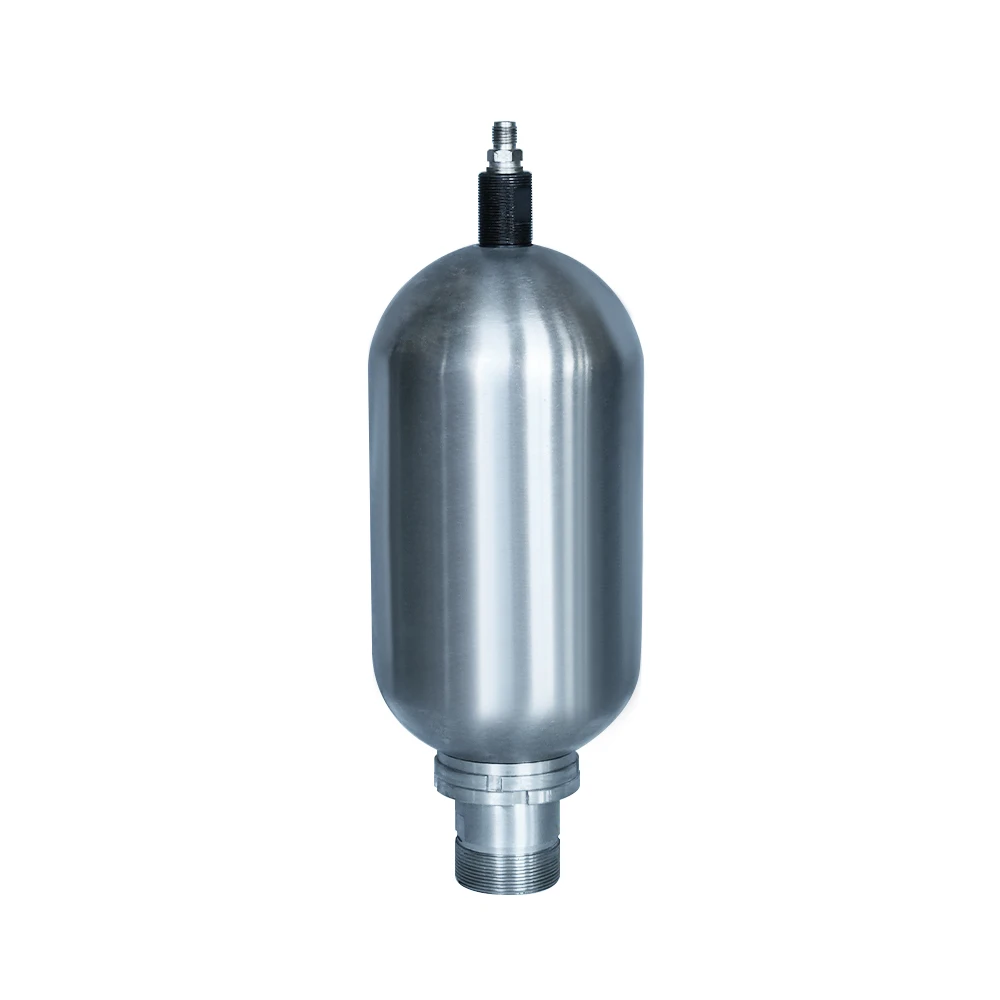
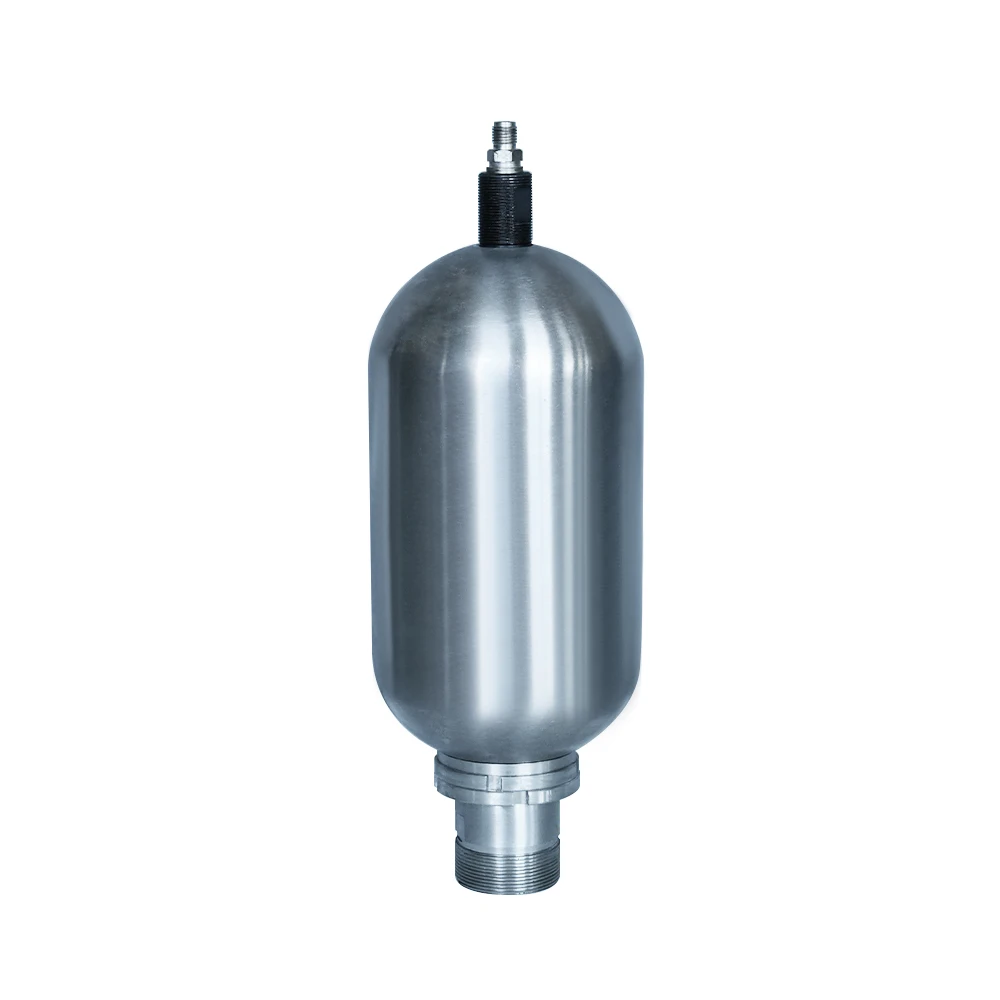
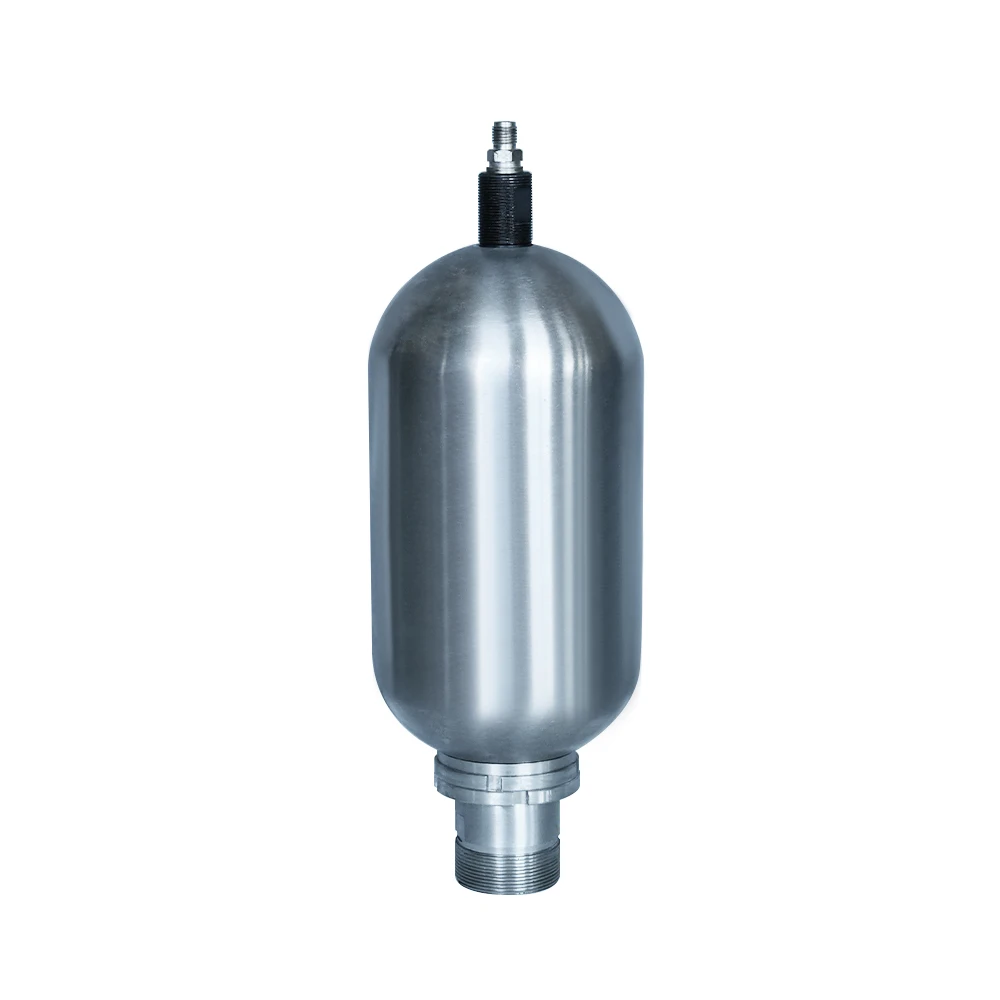
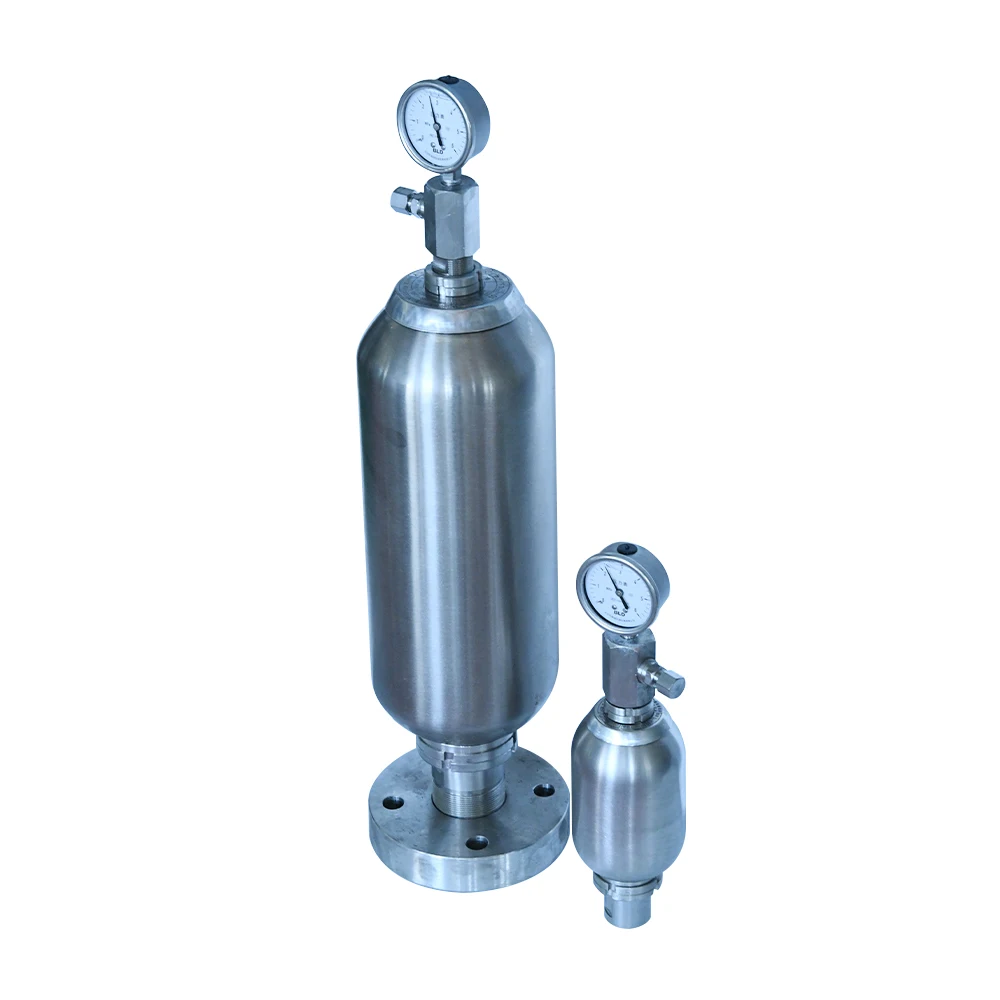
The charge pressure of the accumulator is very essential for hydraulic systems. It aids in energy storage and maintains the proper pressure levels in the system. The charge pressure of the accumulator can affect the performance of the hydraulic system. In this article you’ll learn more about what accumulator charge pressure is, as well as why it matters, how to maintain it at the correct levels, how to test it, what it does in hydraulic systems, and problems to look out for and how to fix them.
Accumulator charge pressure is stored in an accumulator to save energy and to stabilize the pressures in the hydraulic system. It serves as a fail-safe in the event of the pressure being dropped or the system malfunctioning. It is important for the hydraulic system to operate correctly to maintain the proper charge pressure.
Your pressure settings need to be checked and adjusted to maintain the correct levels to keep the charge pressure right. You do this so that you can now use pressure gauges and valves to both measure and control pressure. Minding the charge pressure as it ought to be will help to maintain the smooth running of the hydraulic system.
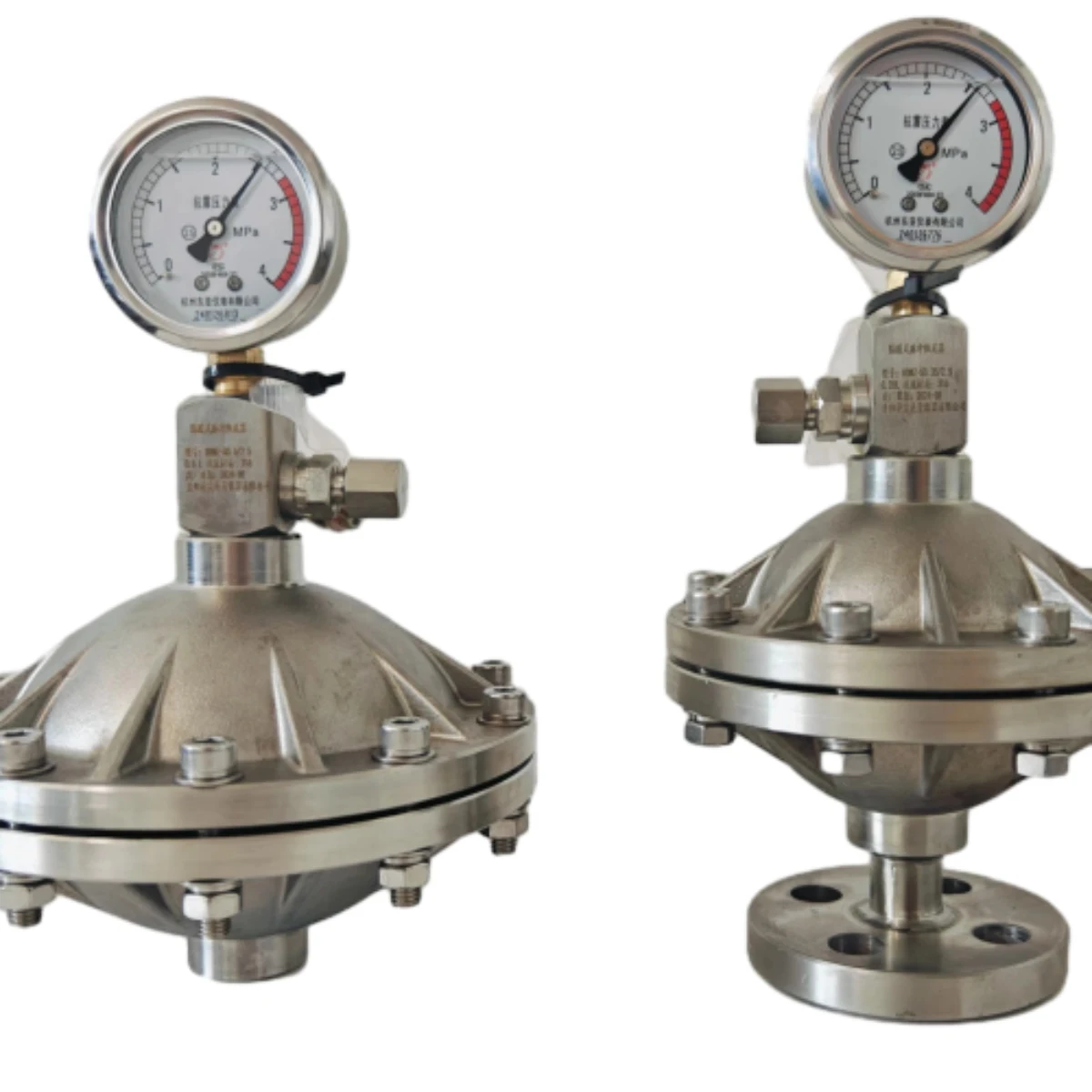
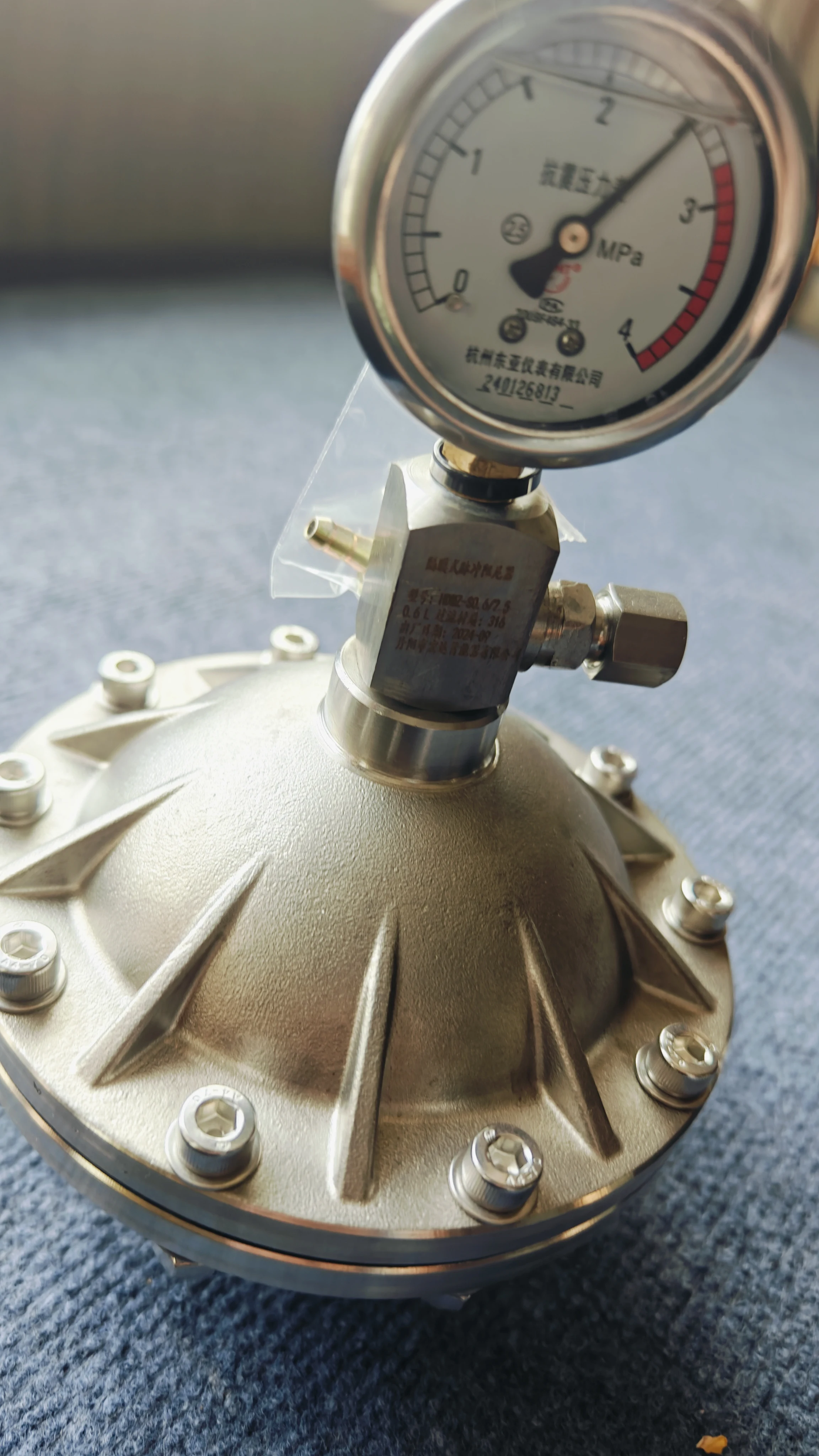
There are a number of methods for verifying accumulator charge pressure. One method is to observe the pressure level on the accumulator via pressure gauges. These gauges can be installed at key points of your system to indicate actual pressure. In addition, constant examination and maintenance can aid finding any deficiencies in the charge pressure and getting the problems corrected.
The accumulator storage pressure is critical in hydraulic systems, and it serves to maintain the constant pressure and store energy. It helps the system work more efficiently, by supplementing backup power and dampening pressure changes. The hydraulic system could perform poorly if the charge pressure is not right, leading to increased system down time and decreased productivity.
There are a few common issues that can occur with accumulator charge pressure, such as pressure loss, leaks, and incorrect pressure settings. To remedy these issues, the system should be inspected for corrosion, wear or damage. Also, inspecting or testing pressure gauges and valves to verify they are functioning properly can assist in diagnosing and correcting charge pressure problems. Periodical maintenance checks are essential for preventing and solving problems related to accumulator charge pressure.
We offer a wide range of shell materials (including 304/316L stainless steel and duplex stainless steel) and bladder/diaphragm materials (such as NBR, FKM, EPDM), supported by a full-time R&D team that provides tailored solutions for diverse industrial applications.
Our professional team provides end-to-end technical support—from pre-sales consultation to after-sales service—including customized engineering solutions, nitrogen charging equipment, and responsive maintenance support to ensure optimal system performance.
Our company is certified under ISO9001 and GB/T19001 quality management systems, ensuring that all products meet rigorous international standards for reliability, safety, and customer satisfaction.
With over 30 years of experience, we specialize in designing and producing high-quality bladder and diaphragm accumulators, leveraging strong technical capabilities and well-equipped testing facilities to ensure superior performance and durability.
 EN
EN